
A Love-Hate Relationship: Why Londoners Can't Agree on Brutalism
I visit London quite often, being only 45 minutes north of it by train, and every time I explore a part of the city I haven't seen before, or rush through somewhere I've walked past a hundred times, the architecture still manages to throw up questions. London is such a sprawling place that it carries a building from all eras like Georgian townhouses and Victorian terraces, right through to the glass towers going up today. But there's one style that has always stood out to me, and not always for the right reasons: brutalism.
It doesn't sit in one neat pocket of the city either. This grey, heavy, unapologetically concrete style turns up in odd corners all over London, and quite a few of those corners happen to be some of the most culturally significant addresses in the country. Which raises a fair question… Isn't brutalism meant to be a Soviet import? Why does London, of all places, have so much of it, and why does nobody seem to be able to agree on whether it's any good?
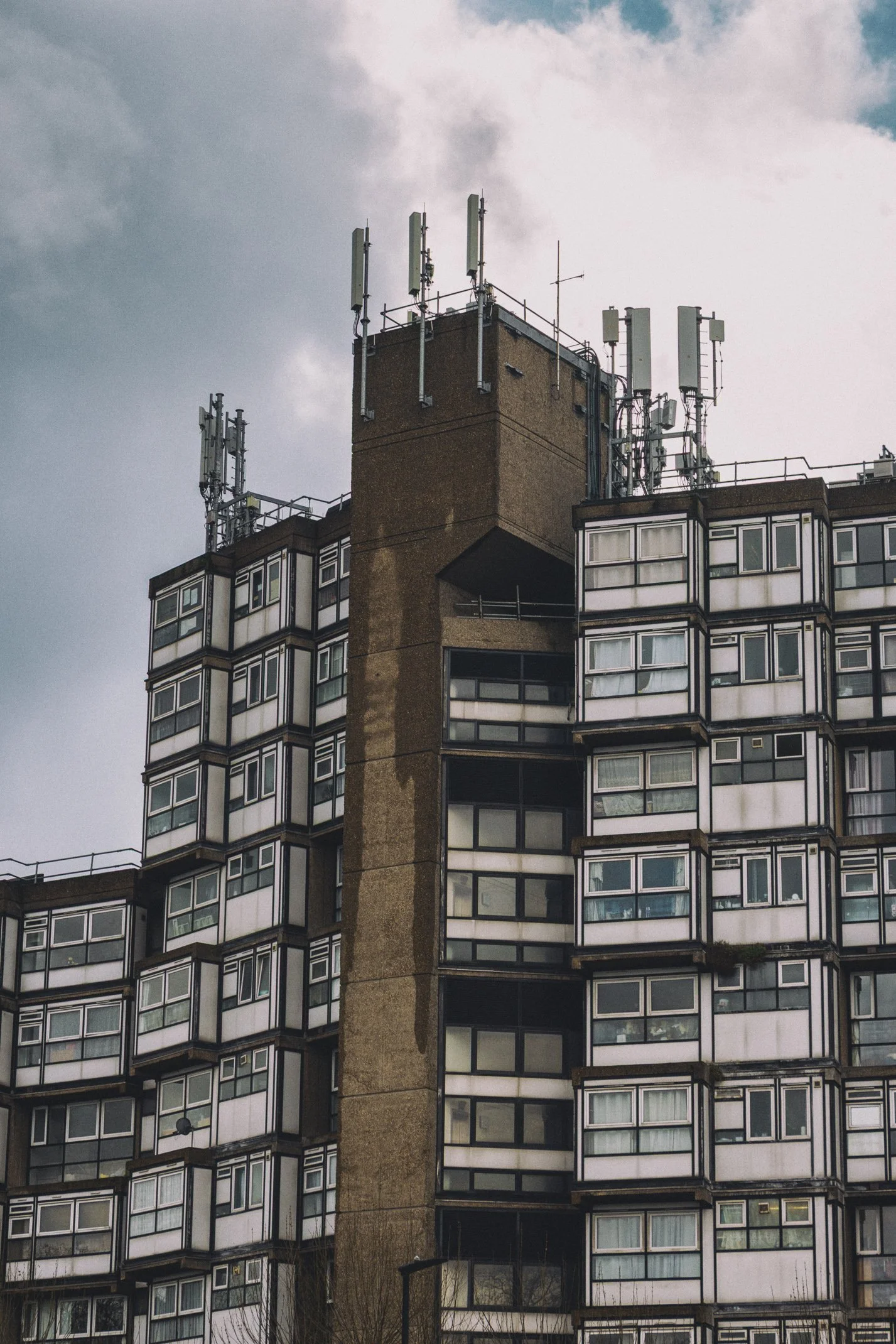
Back in February I spent a few days wandering the centre with a camera, chasing down as much of it as I could find. I also spent a good chunk of time afterwards reading into why it's there in the first place, because the more I looked, the more I realised this was a story about taste, and how violently taste can swing over sixty years.
Concrete for a country rebuilding itself
The short version is that brutalism in London has almost nothing to do with the Soviet Union and everything to do with the Blitz. Vast stretches of the city, entire streets in places like Cripplegate, had been reduced to rubble, and postwar Britain needed housing, schools, theatres and communal buildings fast, and on a budget that matched the scale of the problem. Reinforced concrete was cheap, quick to work with and didn't need to be dressed up in brick or stone to do its job. Architects who'd been trained on the modernist ideas that a building should honestly show how it was built found themselves with exactly the material and the mandate to put that philosophy into practice.
It's worth saying this wasn't only about money and there was real optimism behind a lot of these projects. Councils genuinely believed that generous, well-built public spaces, housing with balconies, libraries with proper reading rooms, and theatres that didn't feel exclusive, could lift people up. Whether that's naive or admirable probably depends on who you ask, and that tension runs through basically every building I photographed.
The Barbican, and getting lost on purpose
I'll admit I got lost in the Barbican more than once, and I don't think I'm alone in that. Chamberlin, Powell and Bon, a British firm of architects, built the estate across sixteen hectares of bombed-out land through the 1960s and into the early 80s, and it truly feels like a small city. It features thirteen low pavilion blocks with white barrel-vaulted roofs, three towers that were, for a while, the tallest residential buildings in Europe, a lake, gardens, and an arts centre the Queen opened in 1982 calling it one of the wonders of the modern world.
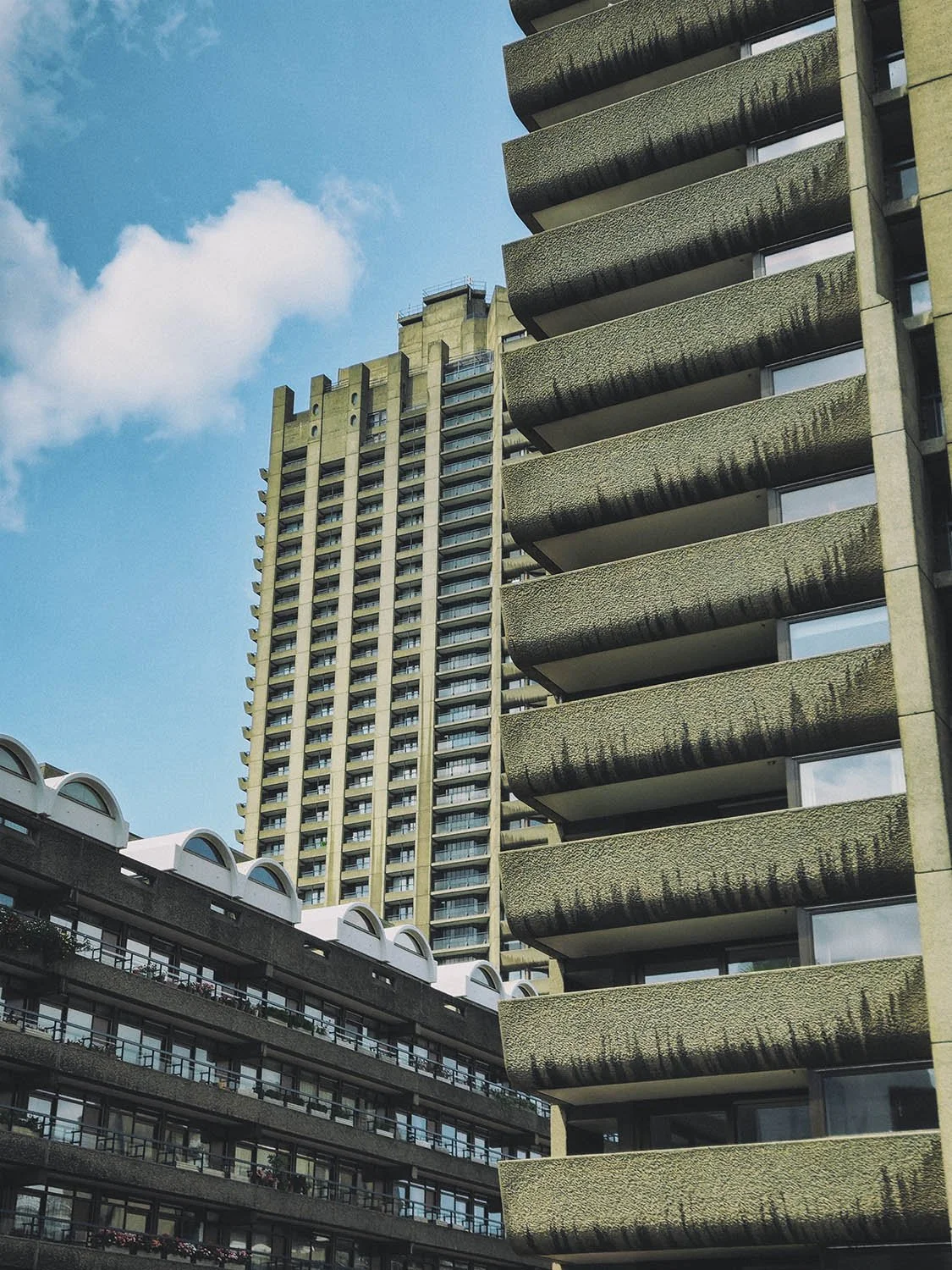
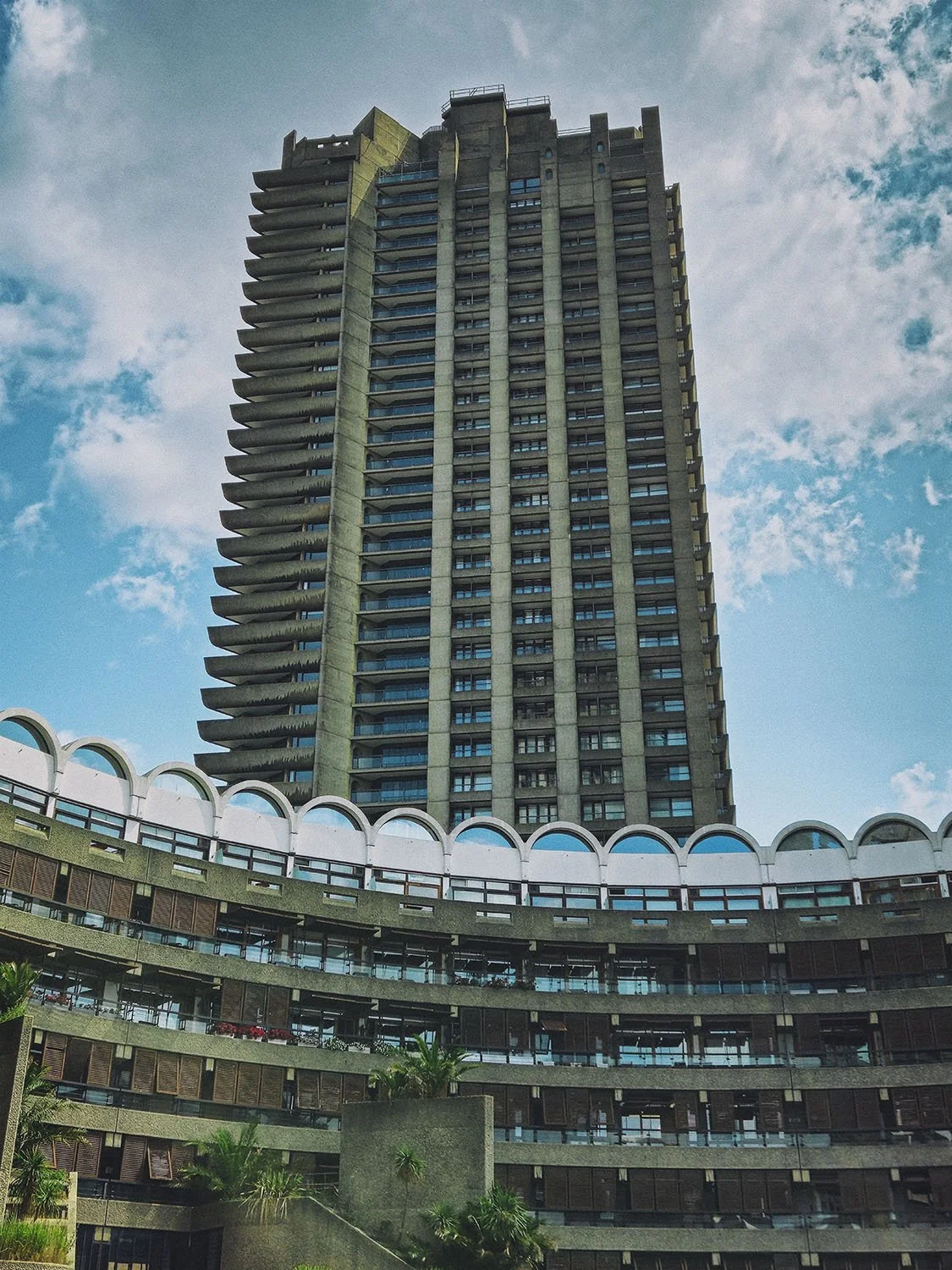
Walking through the elevated walkways, following the yellow line painted on the ground that's meant to stop you getting lost, you get a sense of just how confident this project was. Nobody builds like this any more, partly because nobody can afford to, and partly because nobody is brave enough to try.
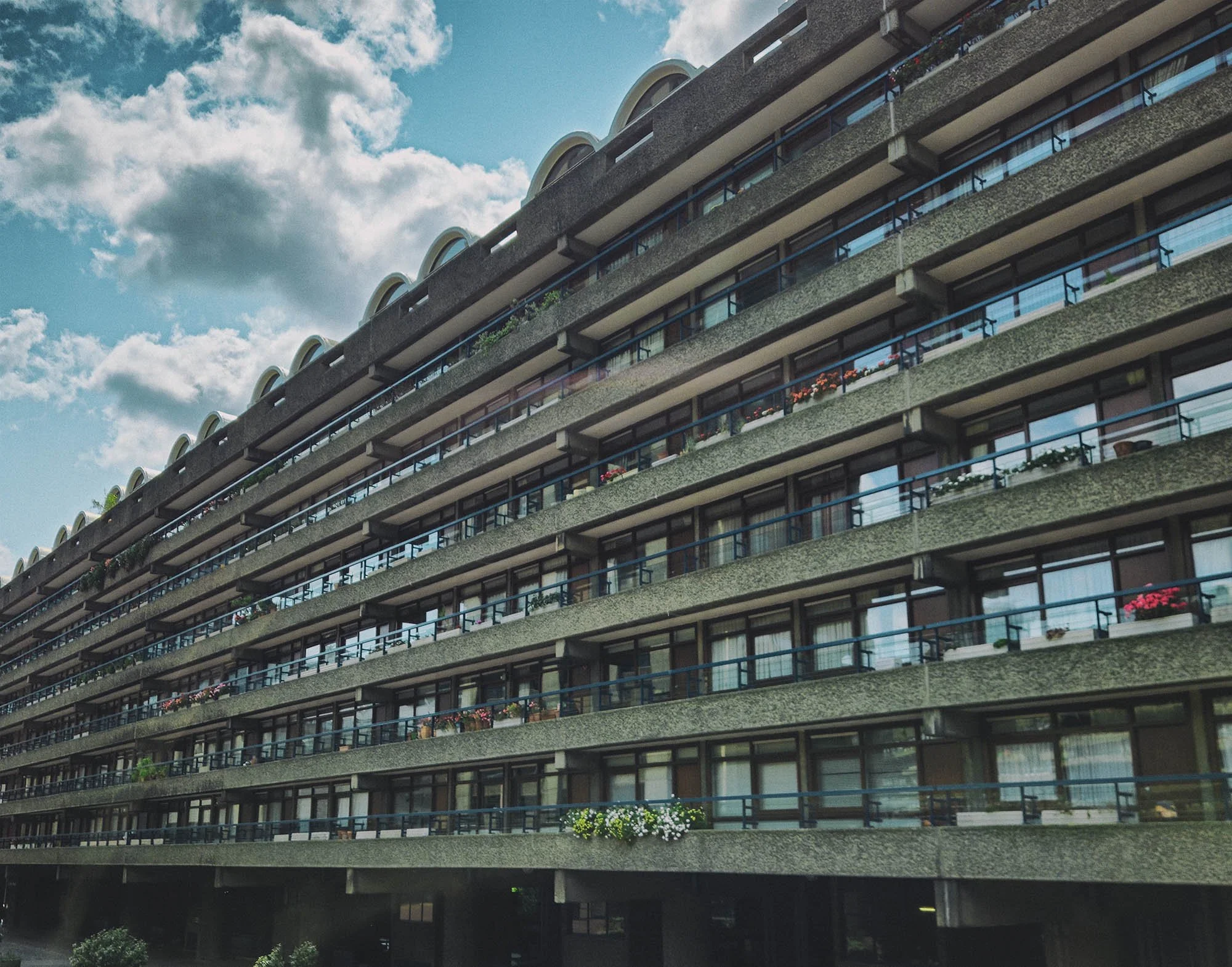
The Barbican's reputation has settled now into something close to reverence. For years it was mocked for exactly the maze-like quality that now gets treated as a design feature worth writing about.
The building that got voted Britain's ugliest: The Southbank Centre
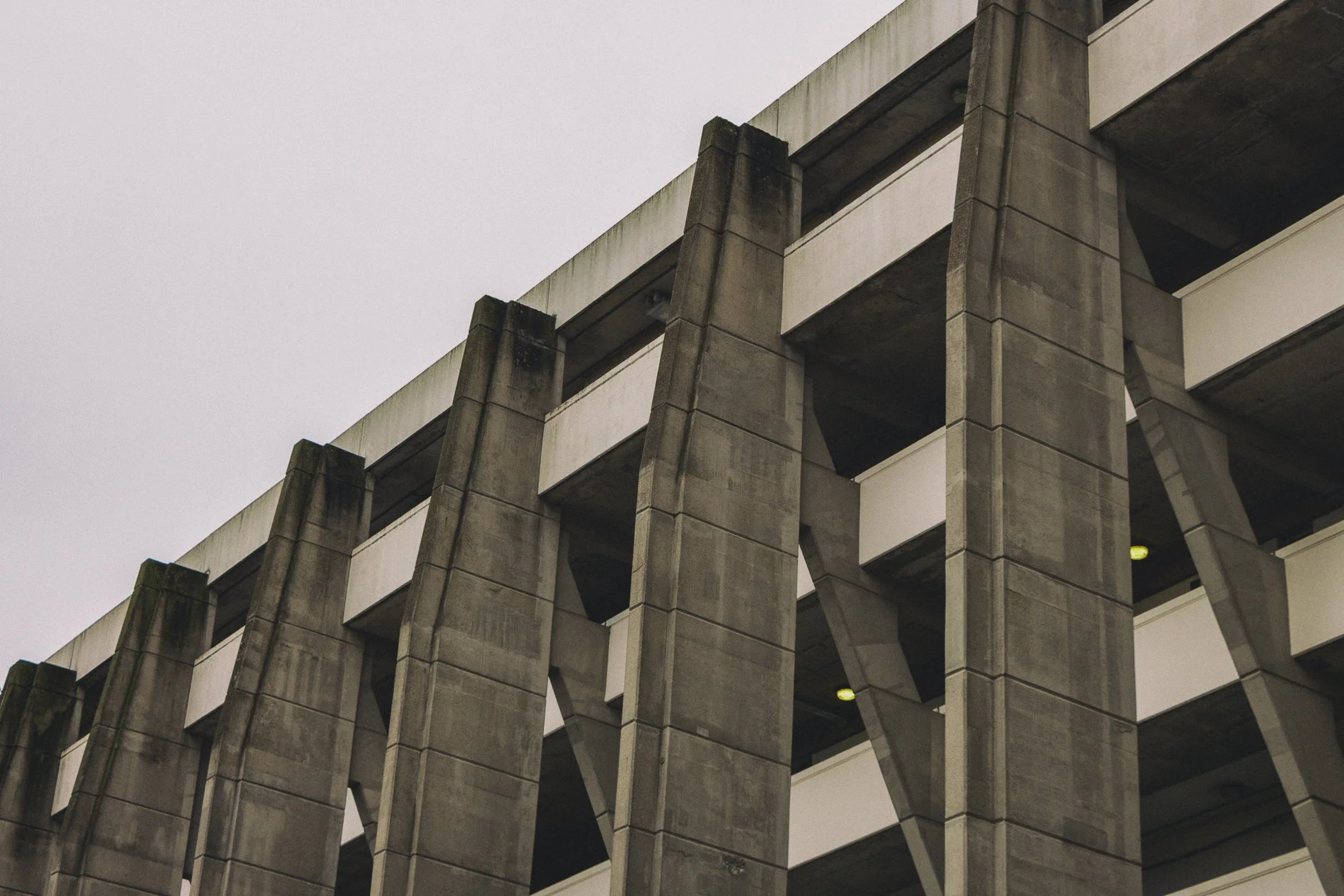
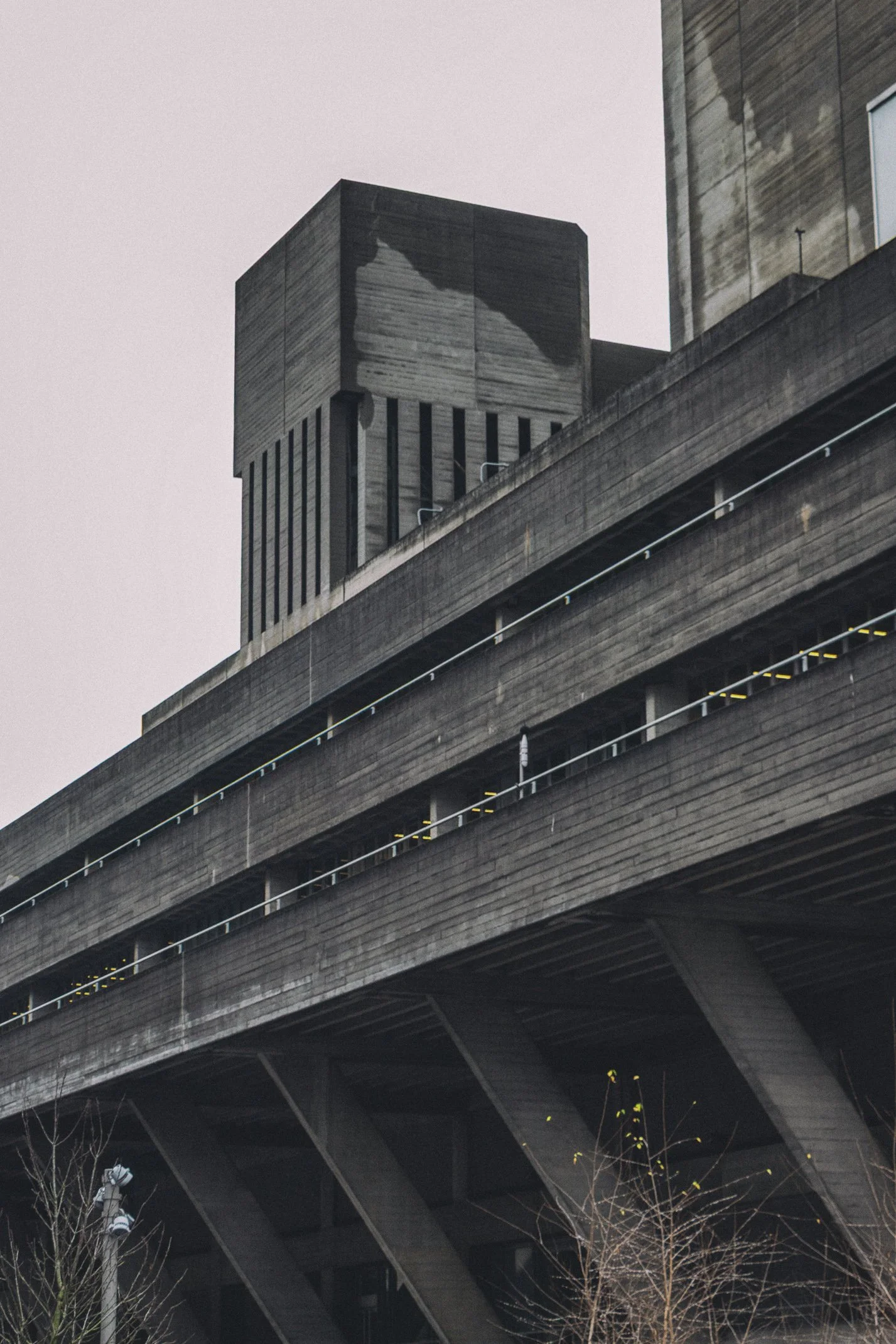
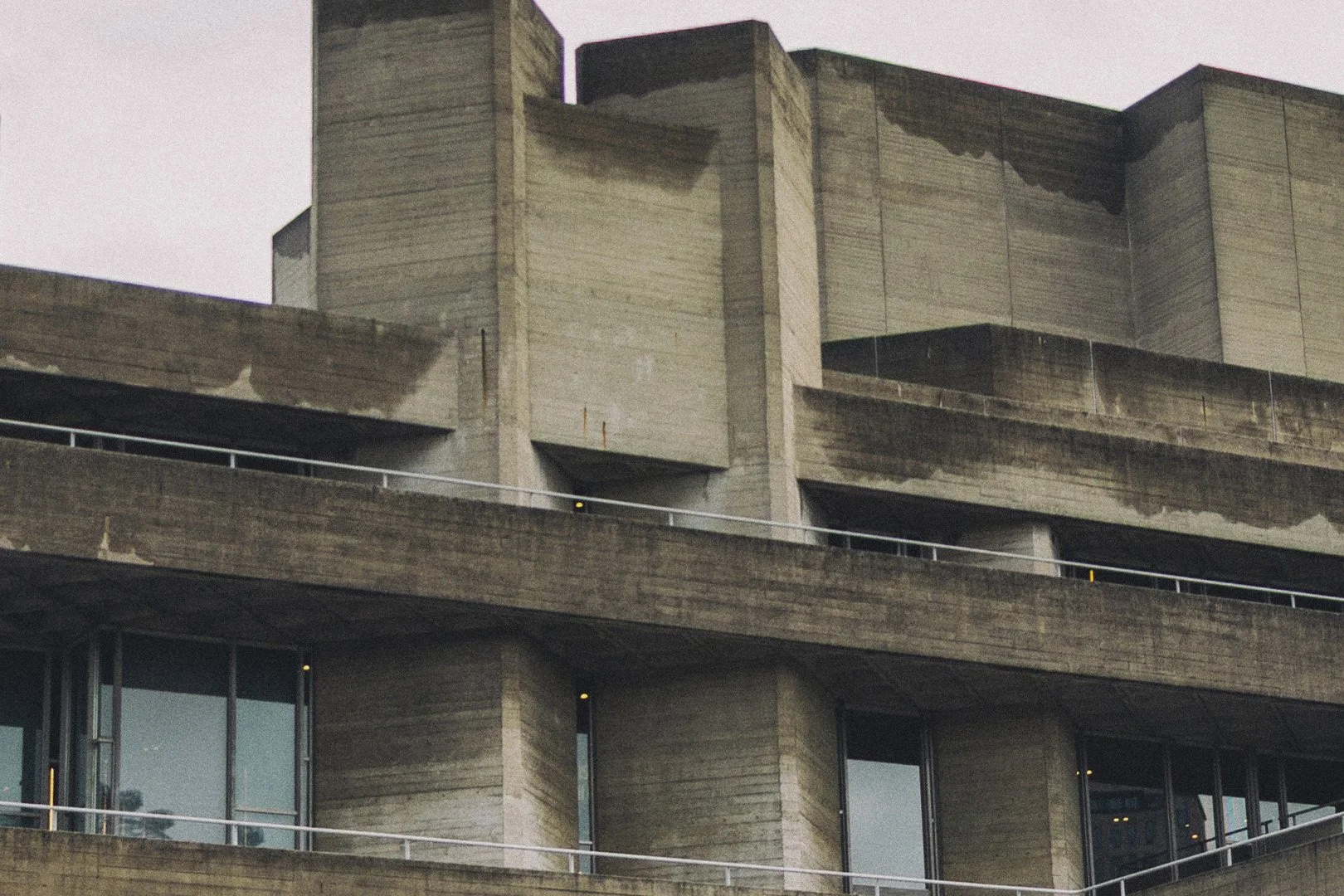
Nowhere sums up the flip in public opinion better than the Southbank Centre. When the Hayward Gallery, Queen Elizabeth Hall and Purcell Room opened in the late 1960s, designed under Norman Engleback, Daily Mail readers voted the newly finished Queen Elizabeth Hall the ugliest building in Britain. That wasn't a fringe opinion either and the tabloids ran with it for years.
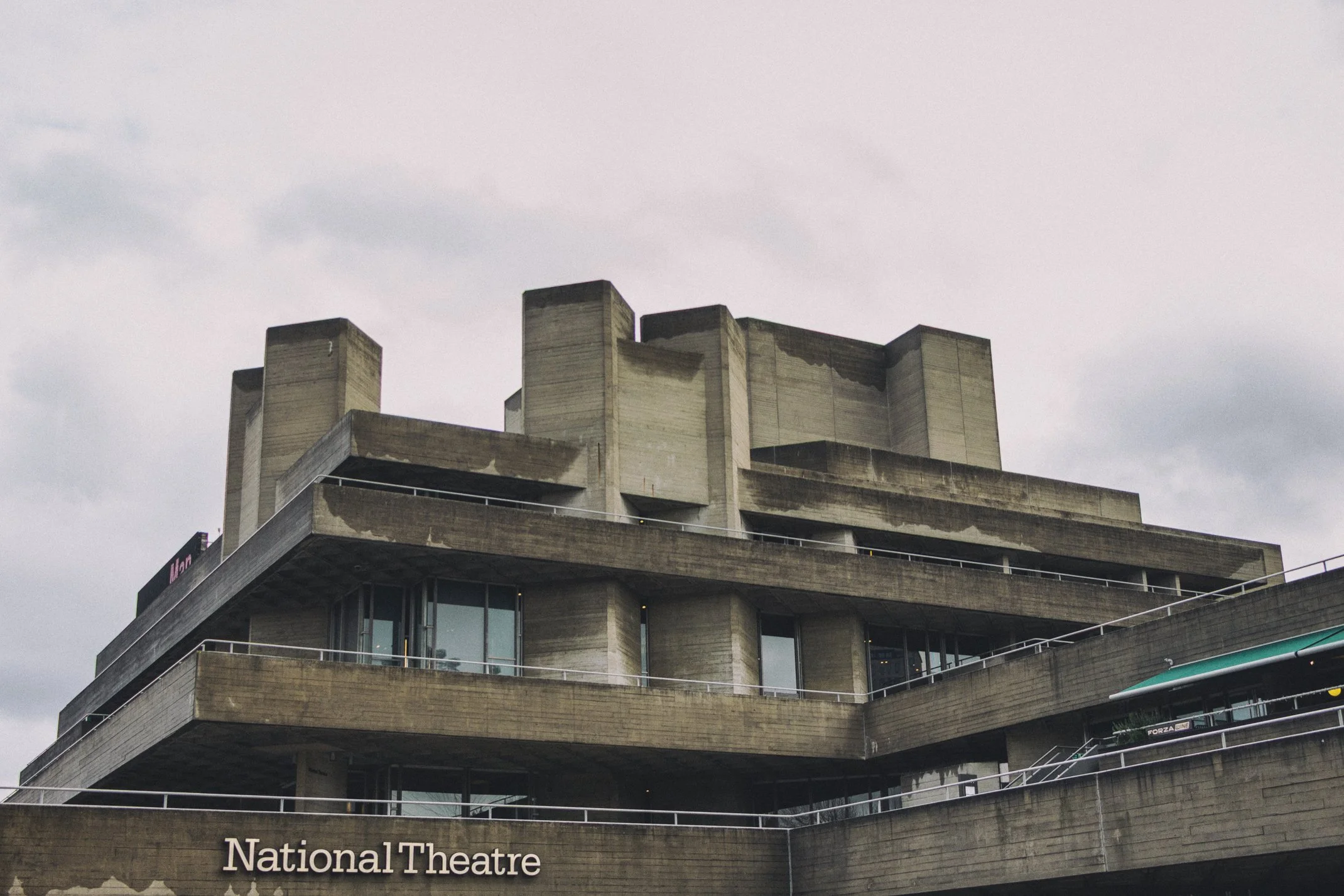
What's happened since is one of the stranger stories in London architecture. Skateboarders who'd claimed the undercroft beneath the complex fought a long, loud campaign, gathering around 80,000 signatures, to stop it being redeveloped into shops… and they won. Additionally, in February 2026, decades after that ugliest-building vote, the whole ensemble was finally granted Grade II listing, protecting the raw board-marked concrete, the pyramidal rooflights, the terraces that were once dismissed as an eyesore as an internationally recognised concrete masterpiece.
Centre Point and the tower nobody wanted to fill
Centre Point, up on Tottenham Court Road, tells a slightly different version of the same story, one about greed rather than taste. Richard Seifert's firm built it for the developer Harry Hyams between 1963 and 1966, a 34-storey tower wrapped in a sharp diamond grid of precast concrete mullions. Hyams then left it standing empty for close to a decade, banking on rising rents rather than tenants, while London's housing crisis worsened around its foot. In 1974 a group of squatters occupied it in protest, and Centre Point became less a building than a symbol, shorthand for property speculation at its most cynical.
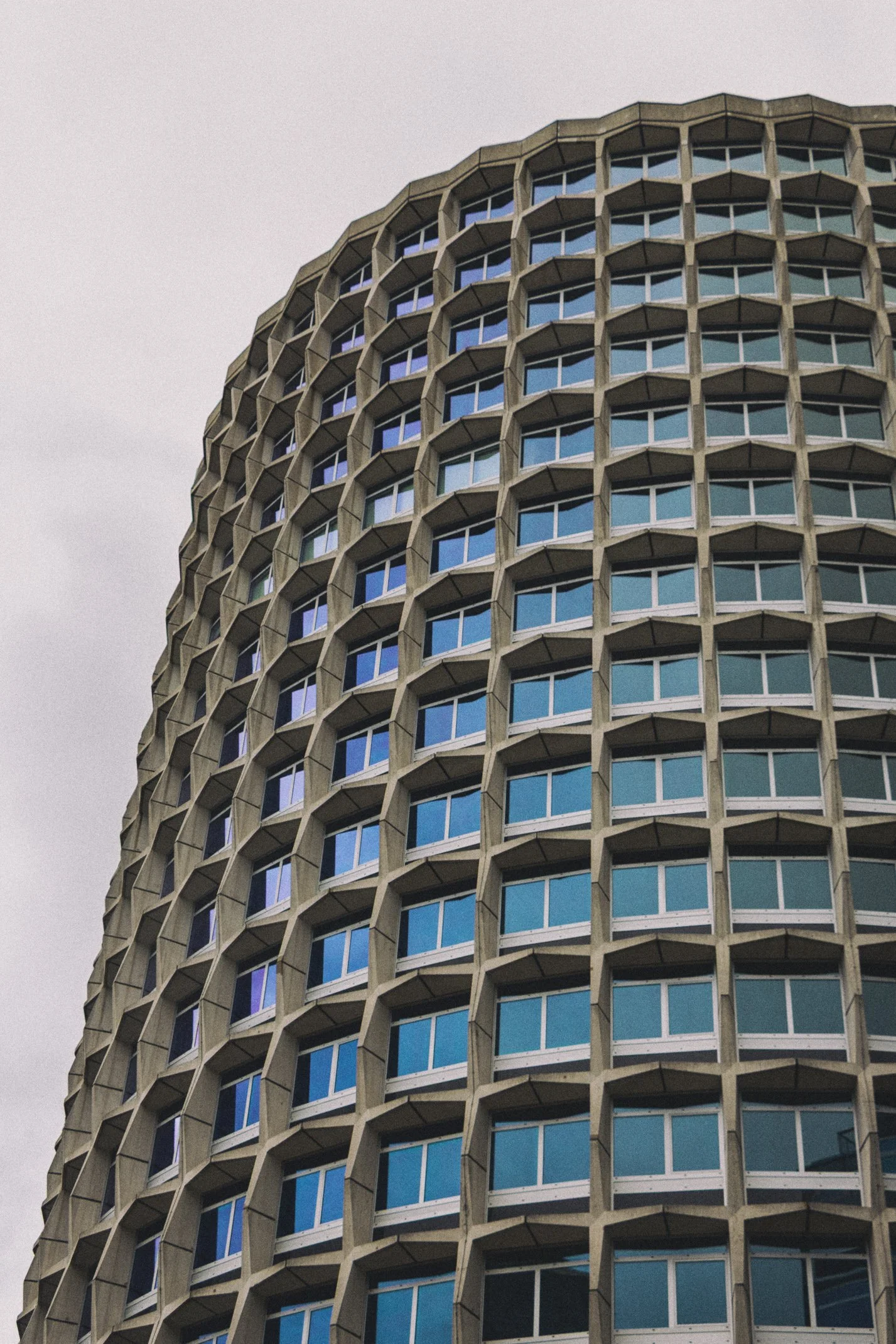
It was listed Grade II in 1995, once enough time had passed for the scandal to fade into history rather than headlines, and in the 2010s it was converted into flats that now sell for considerably more than most Londoners could ever borrow.
The National Theatre Studio, tucked away on The Cut
Not everything worth photographing on this trail is a landmark. Tucked into a narrow stretch of The Cut in Southwark, easy enough to walk straight past if you're not looking for it, sits what used to be the Old Vic Annexe and is now the National Theatre Studio. Built between 1957 and 1958, a good few years before brutalism had really taken hold elsewhere in the city, it's often pointed to as Britain's first purpose-built theatre workshop. It was somewhere for the Old Vic to build scenery, store costumes and run its offices under one roof while it waited for its more famous neighbour to be finished decades later.
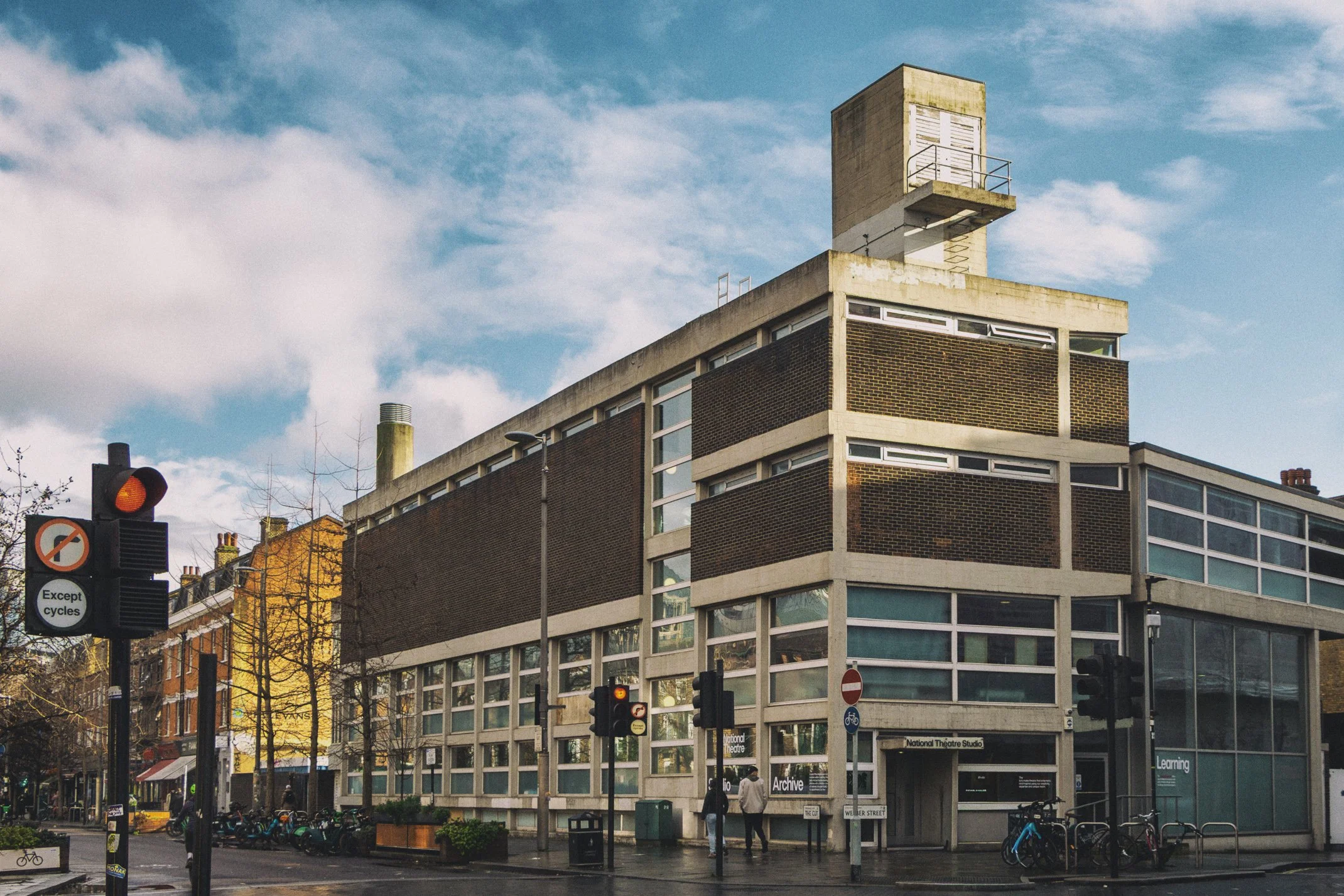
It was listed Grade II in 2006, flagged as a genuine example of ‘New Brutalism’ rather than a footnote to it, and at the time the only architect-designed theatre workshop ever built in Britain. A careful refurbishment between 2008 and 2010 kept the raw concrete surfaces and their weathering intact rather than sanding the character out of them, which is more than can be said for how some of these buildings get treated.
The smaller pieces of the puzzle
Not every building on this trail needs a full chapter, but a few are worth a mention in passing. The Brunswick Centre in Bloomsbury was originally meant to be rendered in warm terracotta rather than left bare, and only got that colour after a renovation in the 2000s. SOAS’ Library on Woburn Square, steps its floors back as it rises so each level opens onto a terrace looking down into a central atrium lit by skylights, a much gentler kind of brutalism than the Barbican's sheer concrete drama. And Space House on Kingsway, a triangular wedge of a building commissioned by the same Harry Hyams behind Centre Point, sat forgotten for years before being quietly regenerated in 2015.
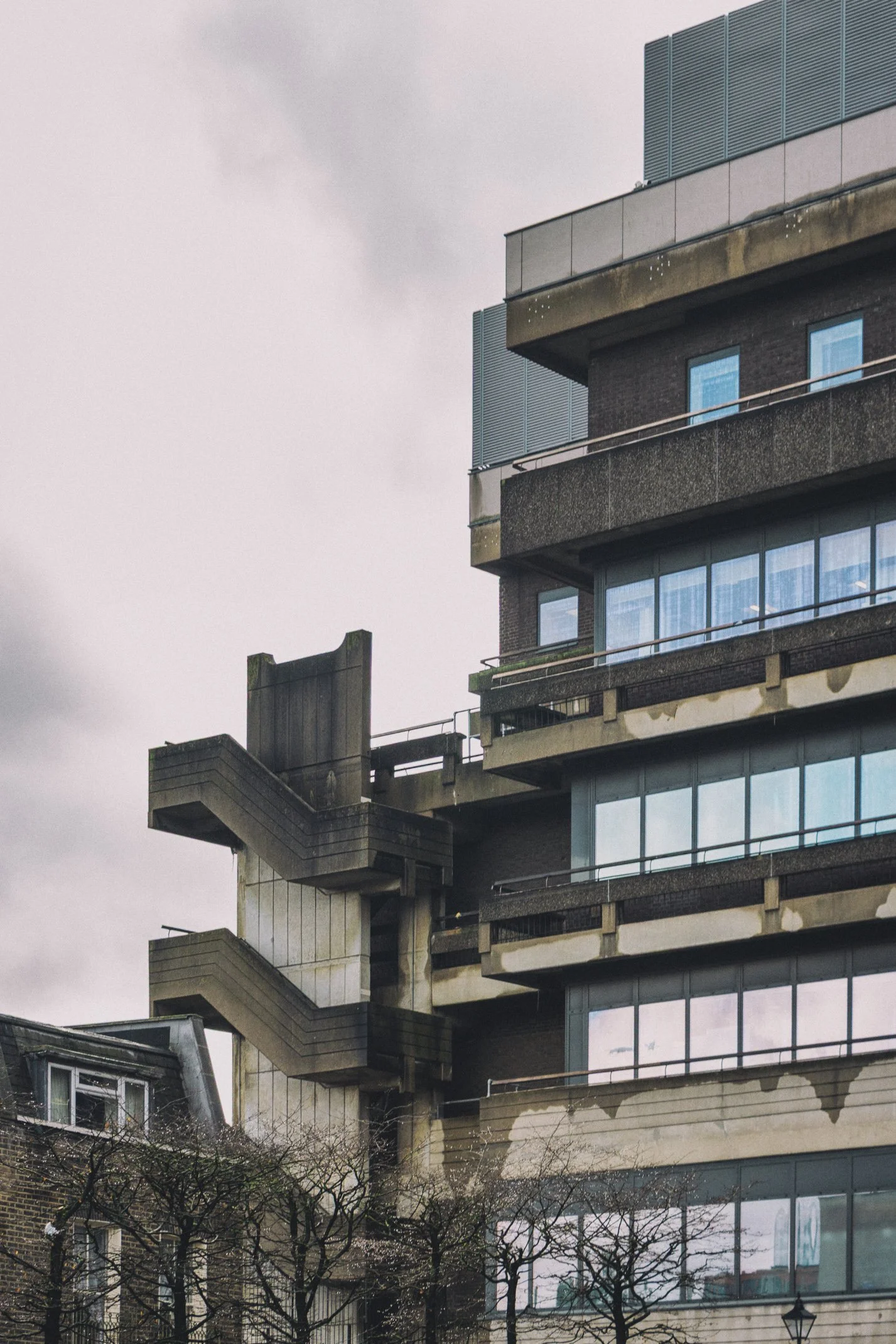
And over in Camden, the Alexandra and Ainsworth Estate deserves a nod even though I never got a decent shot of it on this trip. Its terraced blocks stepping down towards a park offers every flat its own balcony, and the tallest block bent into a ziggurat shape is set on rubber bearings purely to muffle the railway line running behind it. It ran hugely over budget at the time and was politically toxic because of it, yet it's now Grade II listed and still spoken of fondly by the people who live there, which says something about how these things tend to age.
None of these ever got the tabloid treatment the Southbank Centre did and they just sat there, doing their job, until someone eventually noticed.
So why can't anyone agree on it
I think the honest answer is that Londoners were never actually disagreeing about the concrete itself. They were disagreeing about what it represented at the time they were looking at it. In the 60s and 70s, brutalism was new, and it was tangled up with housing shortages, council politics, and a wave of construction that genuinely did produce some badly built, badly maintained blocks alongside the good ones. It's much easier to hate a style when it's still being poured into your neighbourhood and you don't yet know which version you're getting.
Sixty years on, most of what survives has already proven itself. The bad examples were mostly demolished decades ago and what's left, like the Barbican, the Southbank Centre, Alexandra Road, tends to be the work that was thoughtful enough, or well-built enough, to still be standing and still be loved by the people who live and work inside. Add in a generation who never experienced the housing crisis brutalism was partly built to solve, who instead discovered it through a phone screen and a #brutalism tag, and you end up with an entire style getting reappraised in real time. I noticed the same pattern wandering through Bratislava's Petržalka district a while back, another place where concrete built for pure necessity has slowly, almost accidentally, become something people travel to photograph.
I still don't know if I love brutalism or just find it endlessly interesting to look at, and after a few days of trudging around London with a camera and a notebook full of listing dates, I'm not sure those two things are as different as they sound. Either way, the next time someone tells you a concrete block is an eyesore, it might be worth asking them to check back in forty years.
—
I spent a few days in February 2026 photographing brutalist landmarks across central London, from the Barbican to the Southbank Centre. If you want to see how the concrete looked through the lens, take a look at my London gallery.
If you enjoyed this story, you might like some of the other adventures I’ve shared:
Written by Max Biddlecombe following a photography trip through London in February 2026. Max is a UK-based travel photographer and writer who documents the world's overlooked places, from obscure territories and geopolitical curiosities to concrete estates most people walk past without a second look.