
San Marino is one of those places that rarely makes it onto people's travel plans. Purely because it’s small, it does not have a huge tourism board convincing visitors to go, and because it is a bit of a faff to reach. On April Fool's Day 2026, I finally made the trip.
I only spent a day there, which is nowhere near enough time to properly explore the world's oldest republic, but standing on top of Mount Titano and wandering the streets of its capital was enough to leave a lasting impression. San Marino feels different from anywhere else in Italy, and from other microstates I’ve visited like Malta and Liechtenstein. Not dramatically so, but enough that you are constantly reminded that you have crossed into a country that has spent centuries carving its own unique identity.
Getting there though was probably the most difficult part of the excursion. I was based in Bologna, the closest major city on Italy's high-speed rail network, making it a convenient starting point. If you have a car, San Marino is less than two hours away. However, if you're relying on public transport, the journey is a little more complex. First, take a train to Rimini, then transfer onto the coach service that climbs into the mountains and up to San Marino.
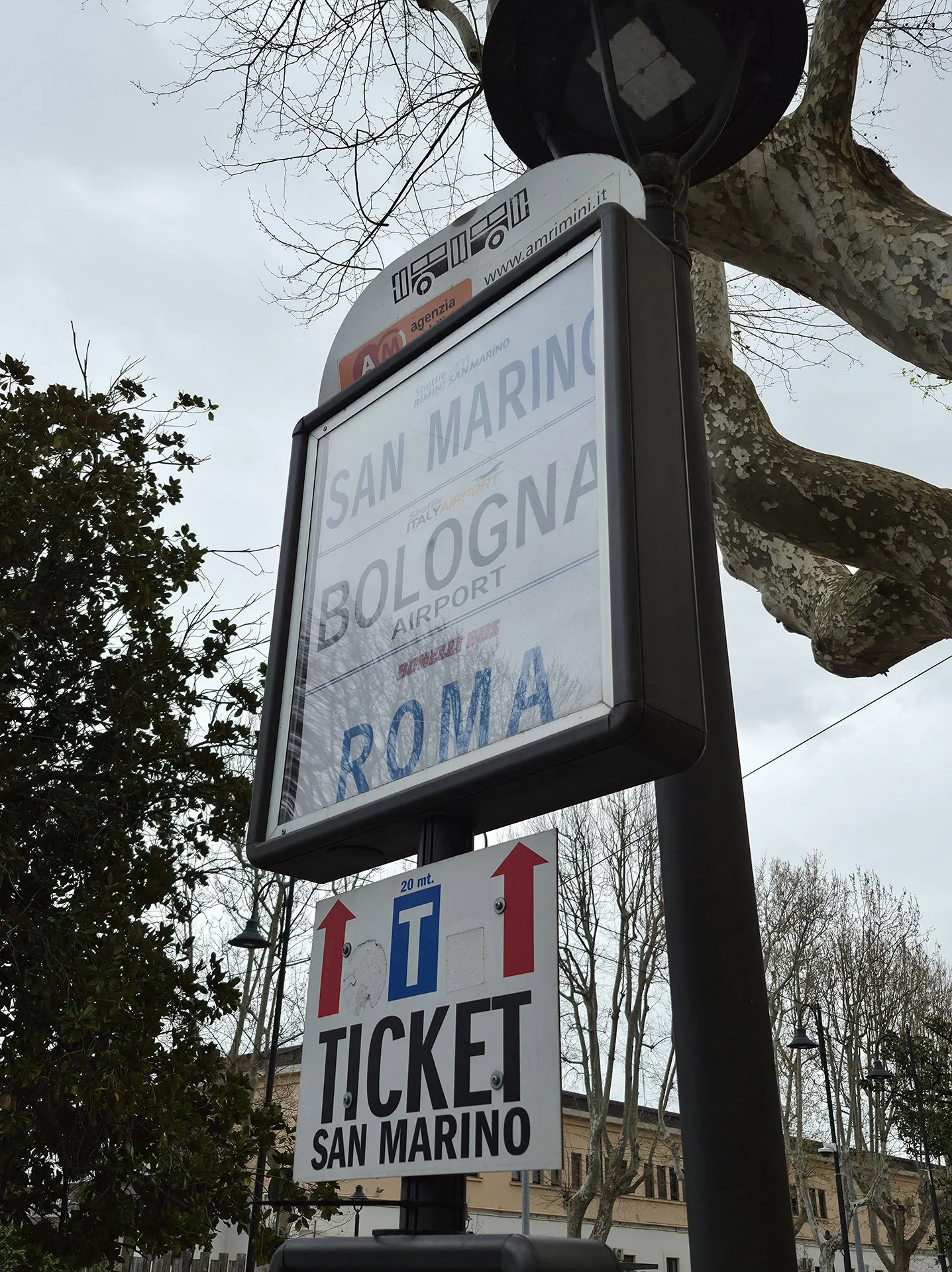
The coach itself can be a bit of a headache. When you leave Rimini station through the main entrance and pass the large tourist sign that everyone photographs, the bus stop sits off to the right, across the road near Hotel Napoleon. Services only run a handful of times per day and are often packed with both tourists and locals commuting to work. The problem is that once the bus is full, that's it and you have to wait for the next one. I would avoid booking online in advance as a ticket does not necessarily guarantee a seat and if the bus fills up before you board, you risk being left behind regardless.
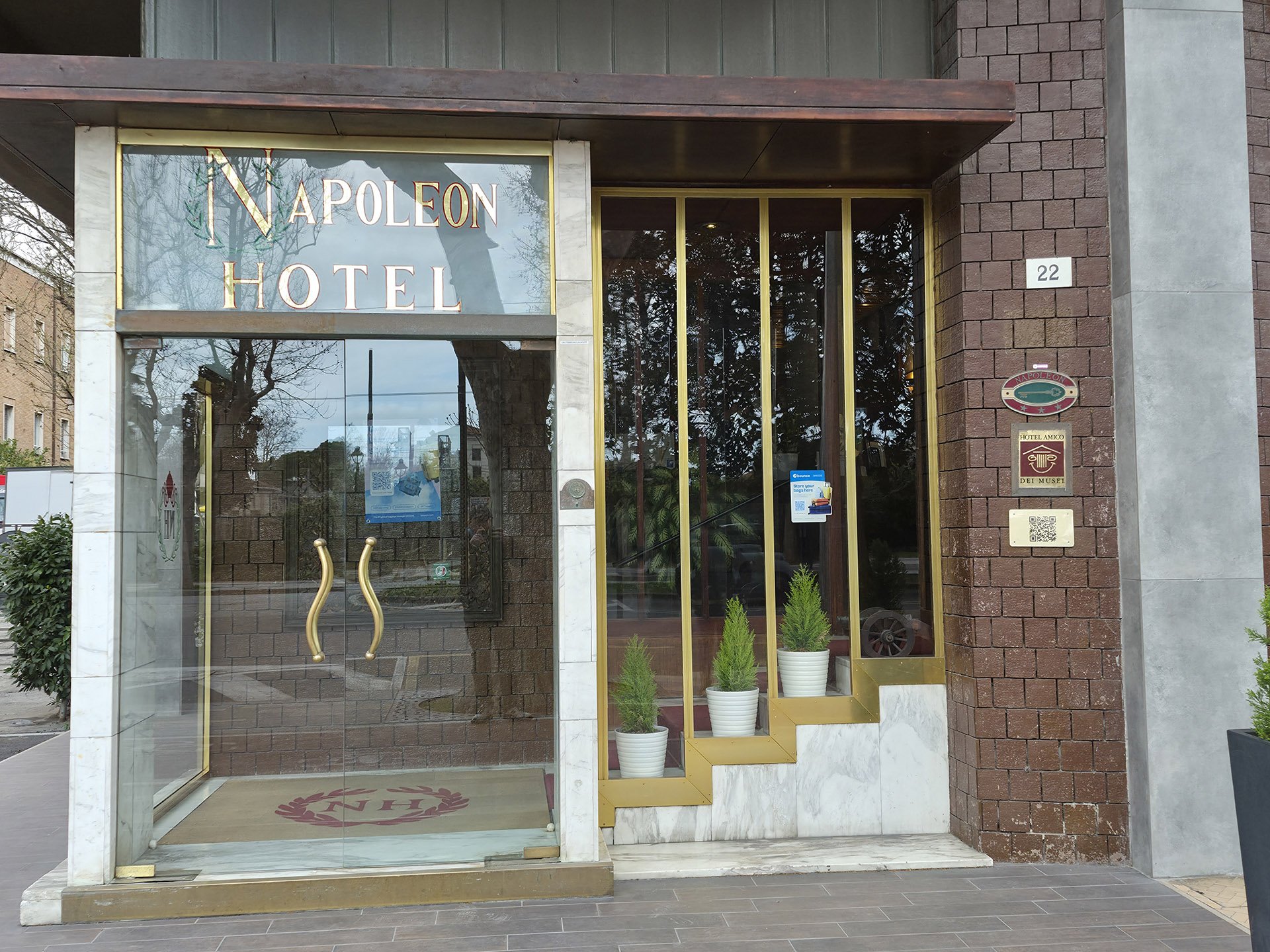
If you have luggage, Hotel Napoleon is also surprisingly useful. We left two bags there for under €10 and it made the entire day considerably easier. Dragging suitcases through the steep streets of San Marino is not an experience I would recommend.
The coach winds through several stops before eventually reaching the capital. If your goal is the historic centre and the famous towers, stay on until the final stop.
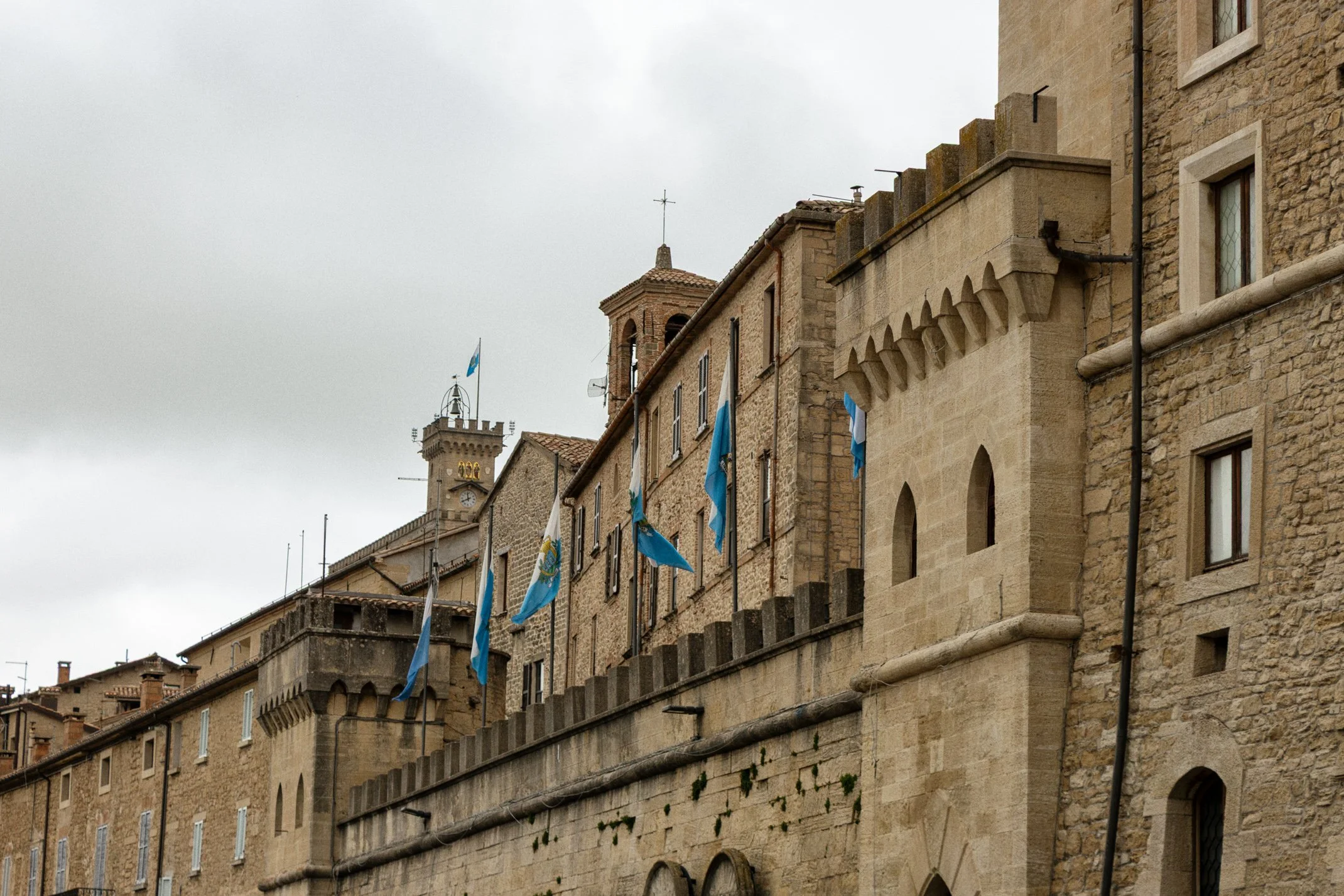
The first thing that struck me after arriving was the sheer amount of national pride on display. Blue and white flags hung from buildings, balconies and walls, while the three towers that dominate San Marino's skyline seemed to appear around every corner. That pride makes sense when you consider the country's story.
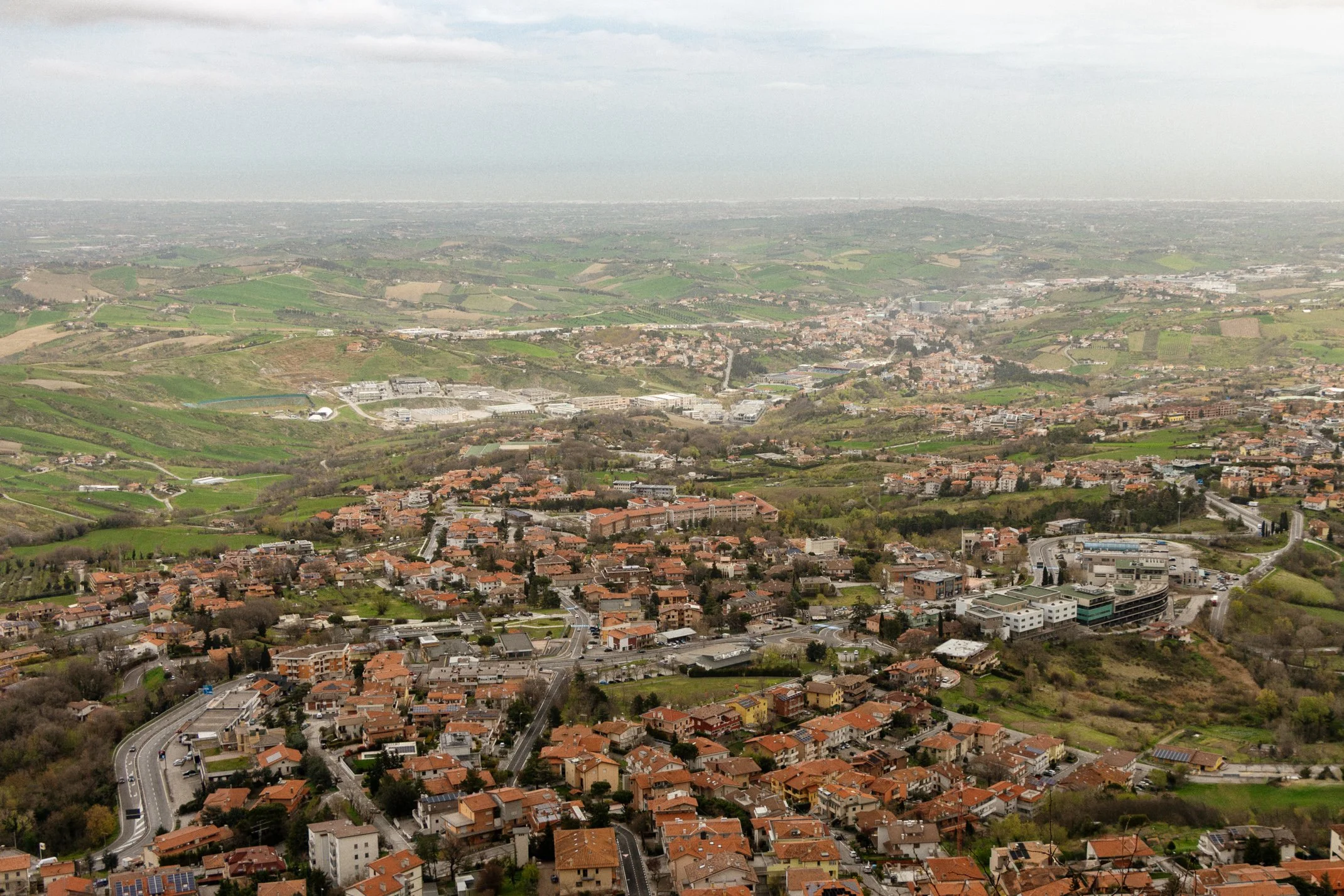
San Marino traces its origins back to 301 AD, when Saint Marinus, a stonemason from what is now Croatia, is said to have established a small Christian community on Mount Titano. Whether every detail of the legend is true is another matter, but what followed is remarkable. While kingdoms rose and fell around it, San Marino survived by navigating the ambitions of emperors, popes, warlords and invading armies while somehow maintaining its independence. More than 1,700 years later, it still exists as the world's oldest continuous republic, something the country is understandably proud of and something I found genuinely fascinating throughout the visit.
As I started making my way uphill towards the heart of the city, another side of San Marino revealed itself. The souvenir shops were unlike anything I had expected as some seemed determined to corner the market in selling things that probably would not look entirely legal. One shop displayed coffee mugs featuring former dictators, bottles of wine decorated with Yugoslavia’s Tito's face, and enough merchandise involving boobs to suggest there is a surprisingly strong market for it. Others shops also specialised in airsoft weapons, hunting knives and crossbows. As a British visitor, where most of these items would attract a raised eyebrow at best, it was certainly memorable.
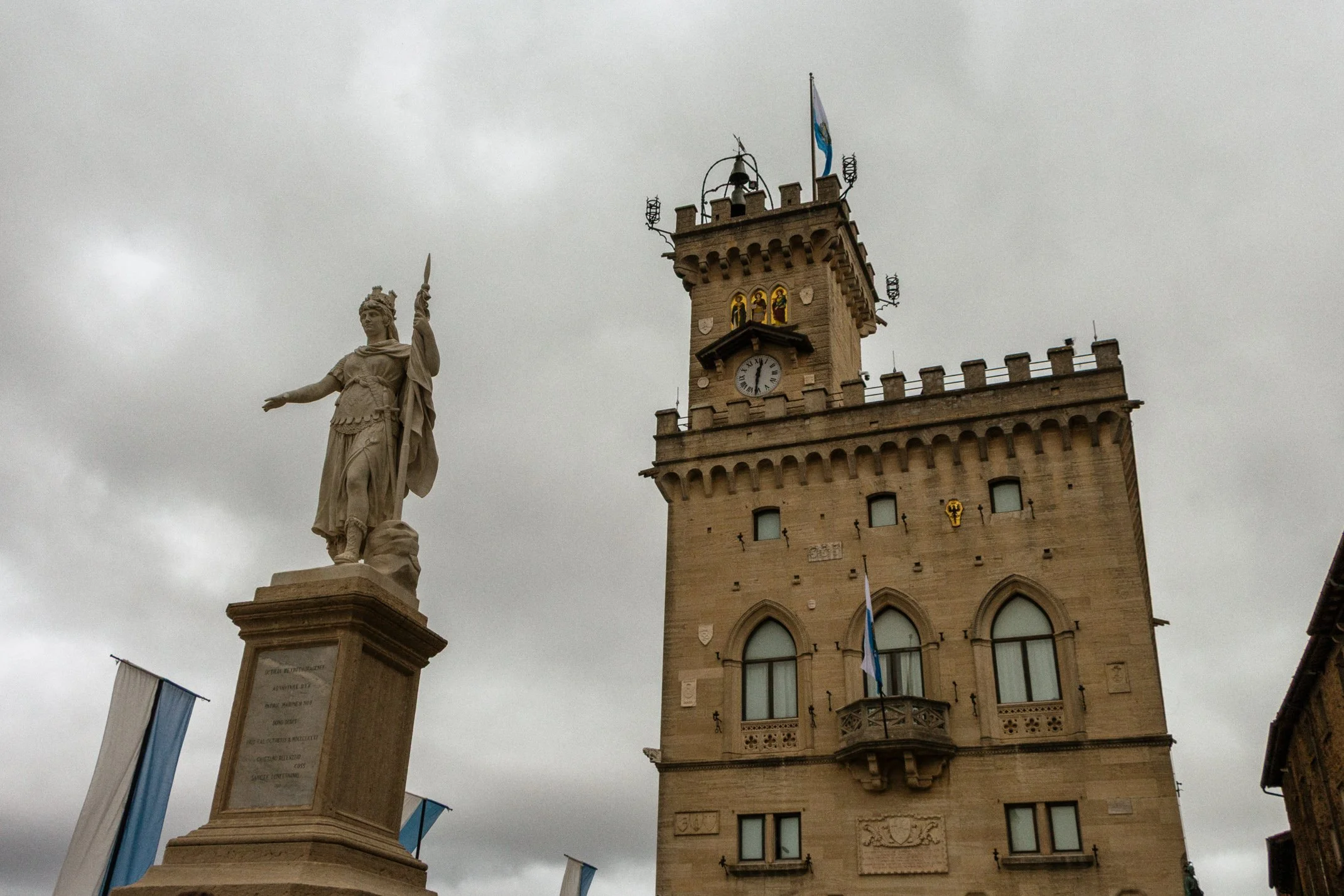
At the top of the climb sits the Public Palace, the political heart of San Marino, and I mentioned April Fool's Day earlier for a reason.
Unlike the self-declared Republic of Užupis in Lithuania, which also celebrates 1 April as its national day in slapstick and nonsense fashion, San Marino's significance on that date is entirely real. Every year on 1 April and 1 October, the country holds the Investiture Ceremony of the Captains Regent, the two heads of state who jointly govern the republic for six-month terms.
The system dates back to 1243 and remains one of the most unusual political arrangements anywhere in the world. Rather than concentrating power in a single individual, San Marino rotates leadership twice each year, a tradition that has endured for centuries.
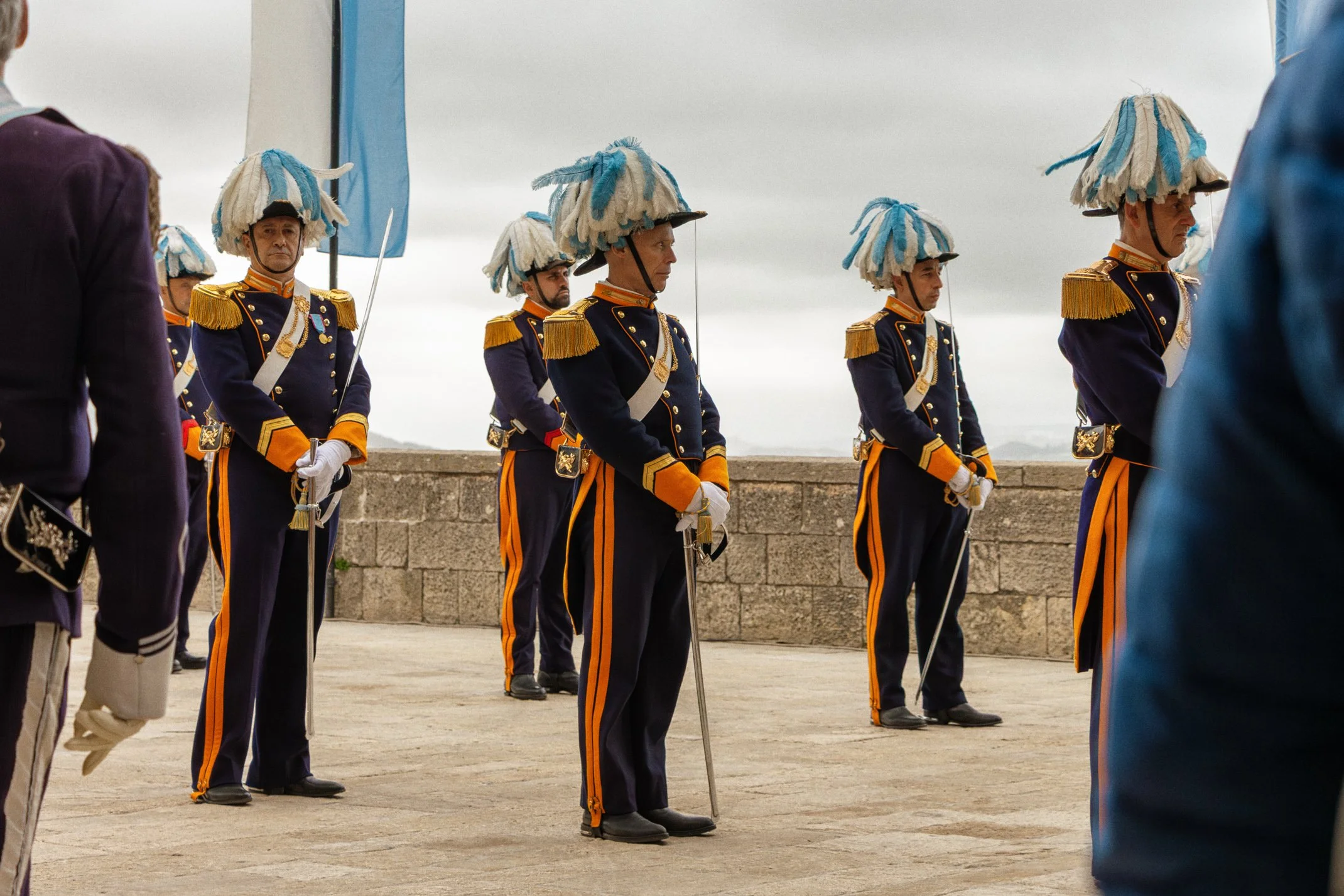
Completely by accident, we had arrived on the exact day of the ceremony and being able to watch the procession and formal handover unfold outside the palace was a genuinely special experience. What surprised me most was how close spectators could get, as in many countries, an event involving heads of state would be hidden behind layers of security barriers. Here, it felt accessible and surprisingly intimate.
By lunchtime, I had worked up enough of an appetite to stop at Euphoria, a small family-run café and restaurant tucked away within the historic centre. The owners were incredibly welcoming and eager to share stories about their country. The food itself felt very similar to what I had been eating elsewhere in Italy, which is hardly a complaint, but the drinks menu offered something far more distinctive: San Marino wine.
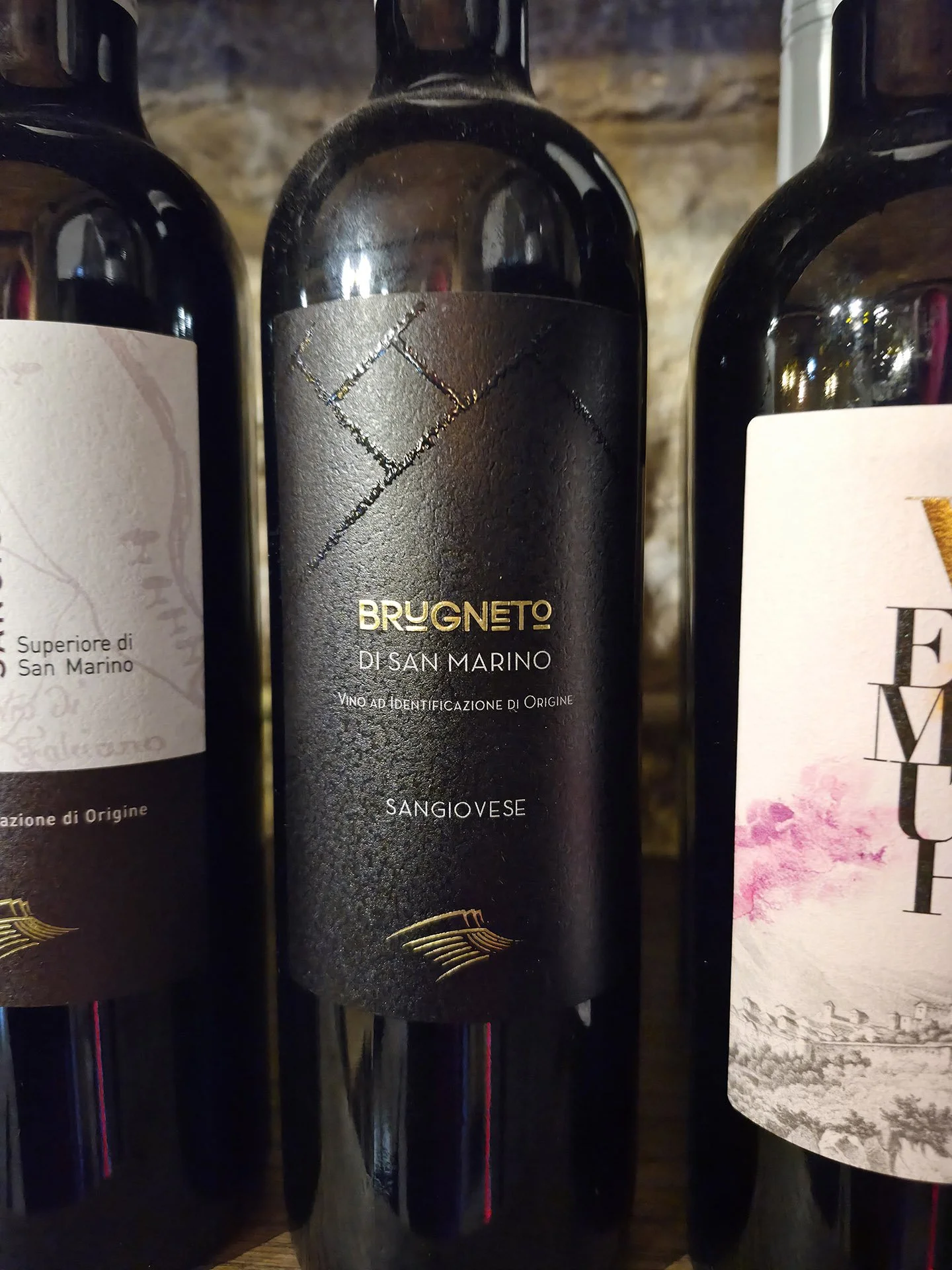
I settled on a glass of Brugneto, a red wine produced from Sangiovese grapes grown on the slopes surrounding Mount Titano. Its taste was pleasant as it offered rich fruit flavours of blackberry, blueberry and cherry sat alongside subtle spice and vanilla notes.
After lunch, I made my way to the Titanus Museum. The visit began for a fairly specific reason as following recommendations from both locals and the tourism office, this was apparently the best place to find merchandise for the San Marino national football team. Once I had secured a shirt, I spent some time exploring the museum itself.
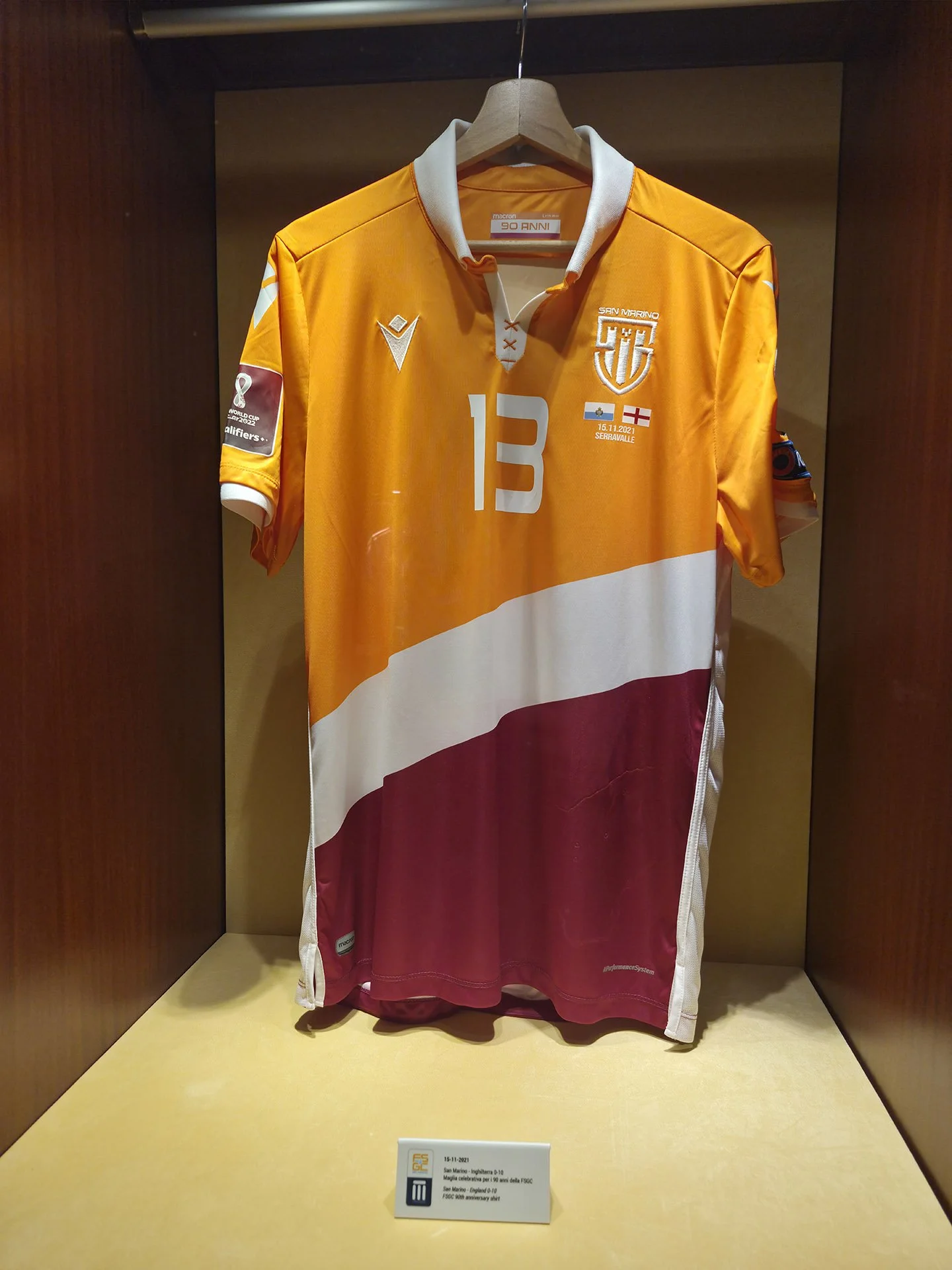
One half focuses on San Marino's footballing history, a story that inevitably involves discussing the nation's famous goal against England… which as a Brit, I would argue they mentioned far too often after the 4th time.
The other half explores the history of the republic itself.
San Marino endured brief occupations, including a short takeover by Cesare Borgia in 1503 and another by Cardinal Alberoni in 1739, yet neither lasted. Napoleon arrived in 1797 and was reportedly so impressed by the republic that he offered it additional territory for which San Marino politely declined. Even during the turmoil of the Second World War, the country maintained neutrality and provided refuge to thousands fleeing conflict.
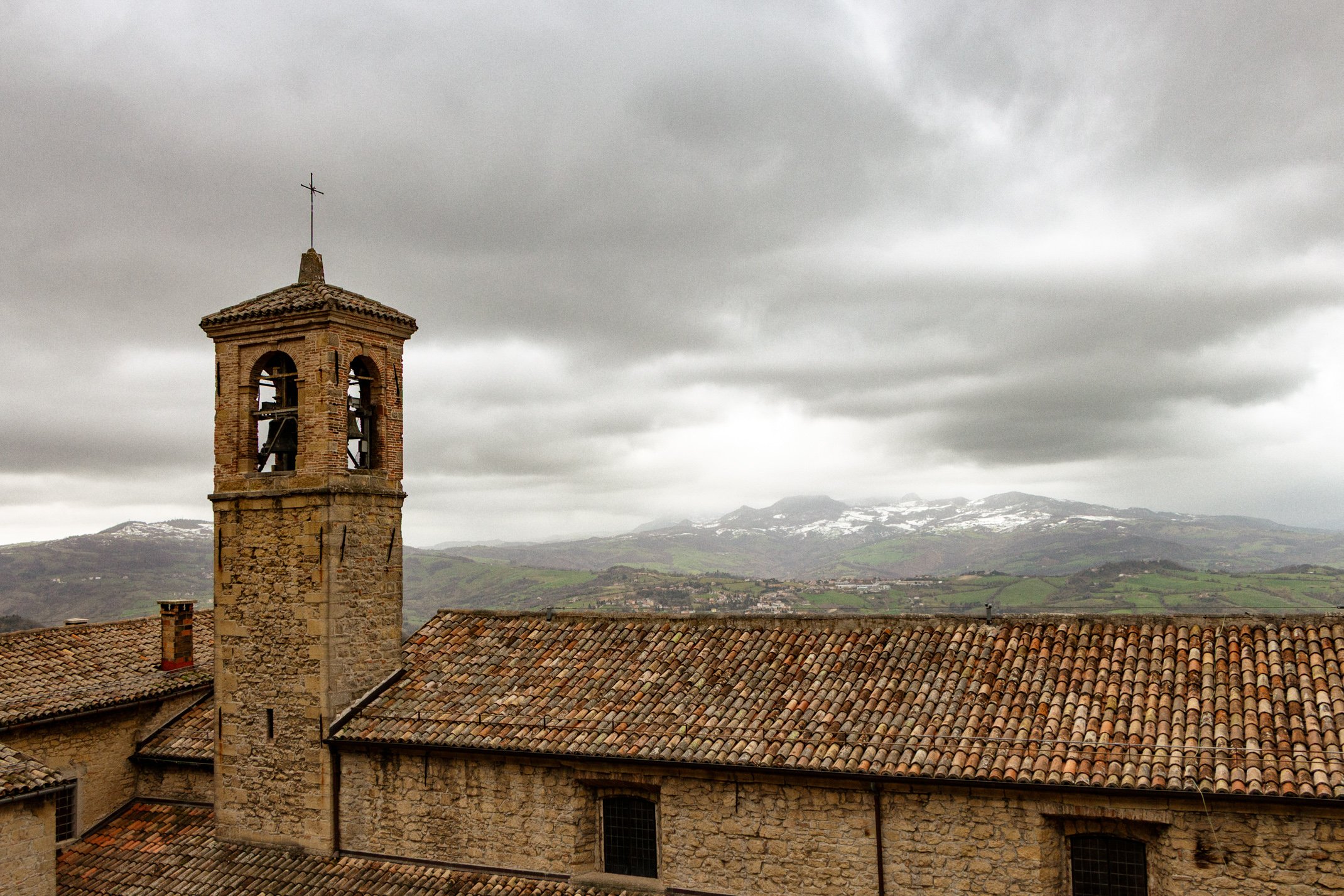
For a nation with a population smaller than many English towns, it has accumulated a surprisingly large number of remarkable stories.
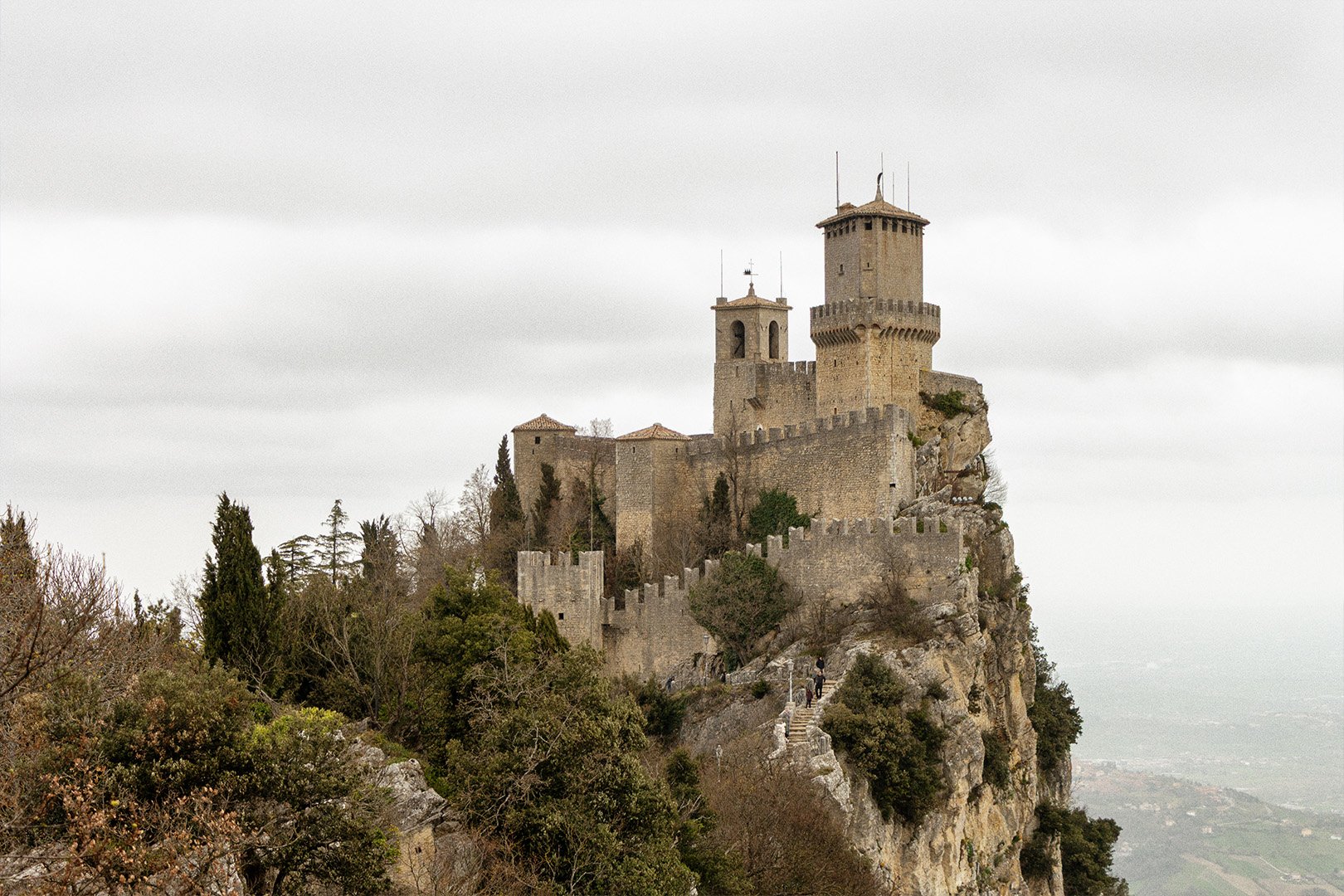
Eventually it was time to tackle the attraction that had drawn me here in the first place: the Three Towers. The towers are inseparable from San Marino's identity, appearing on the national flag, and the coat of arms and almost every postcard sold in the city.
The first tower, Guaita, is the oldest and most imposing and dates back to the 11th century. It served as both a fortress and refuge during times of conflict and walking through its thick stone walls and climbing its battlements, it is easy to understand why it became the symbol of the republic's determination to remain independent. The views stretch across the surrounding countryside all the way towards the Adriatic.
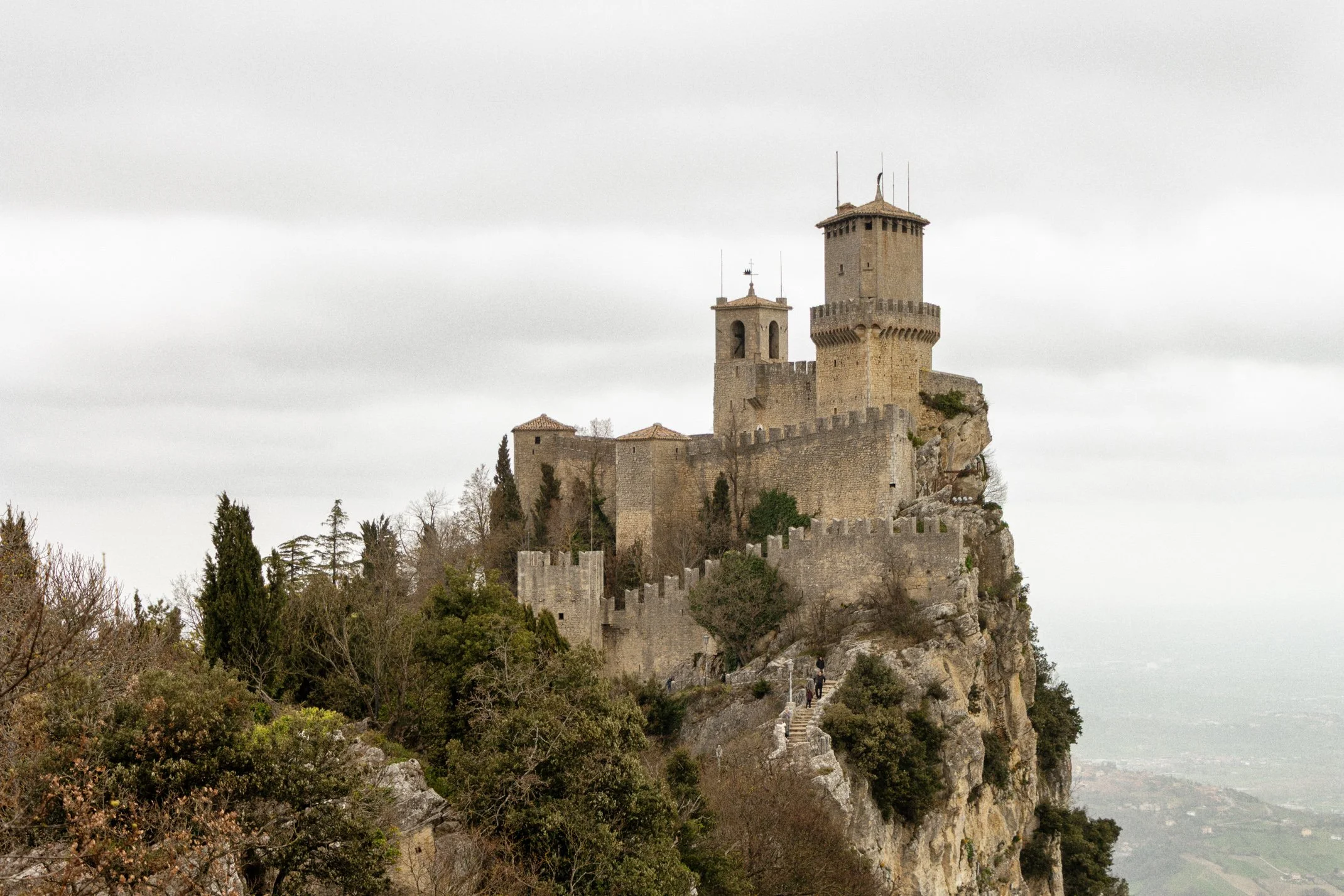
From there, a ridge path known as the Passo delle Streghe, or Witches' Pass, leads towards the second tower, Cesta. Built on the highest point of Mount Titano, it occupies an even more dramatic position. Today it houses a museum of historic weapons, but the real attraction is stepping outside onto the walls and taking in the panorama.
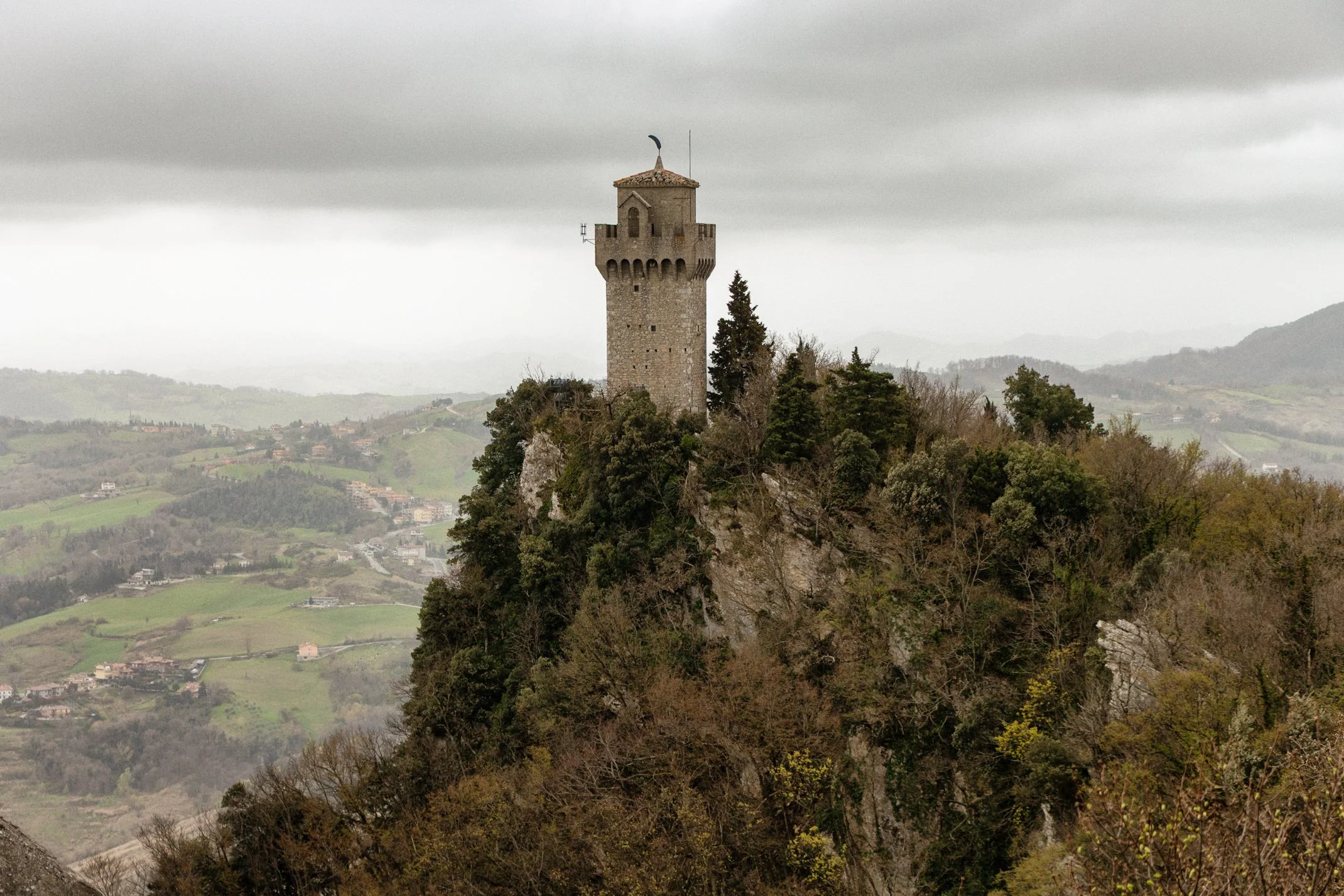
Further along sits Montale, the smallest and most isolated of the three towers and the one which cannot be entered. Built in the late 13th century as part of San Marino's defensive network, it once contained a prison chamber accessible only through a doorway several metres above the ground. Looking at it from the outside, surrounded by woodland and separated from the busier tourist routes, it feels more mysterious than its larger sibling towers.
Together, the three towers explain much about how San Marino survived. It perched high above the surrounding landscape, they provided warning of approaching threats and reinforced the natural defensive advantages of Mount Titano itself.
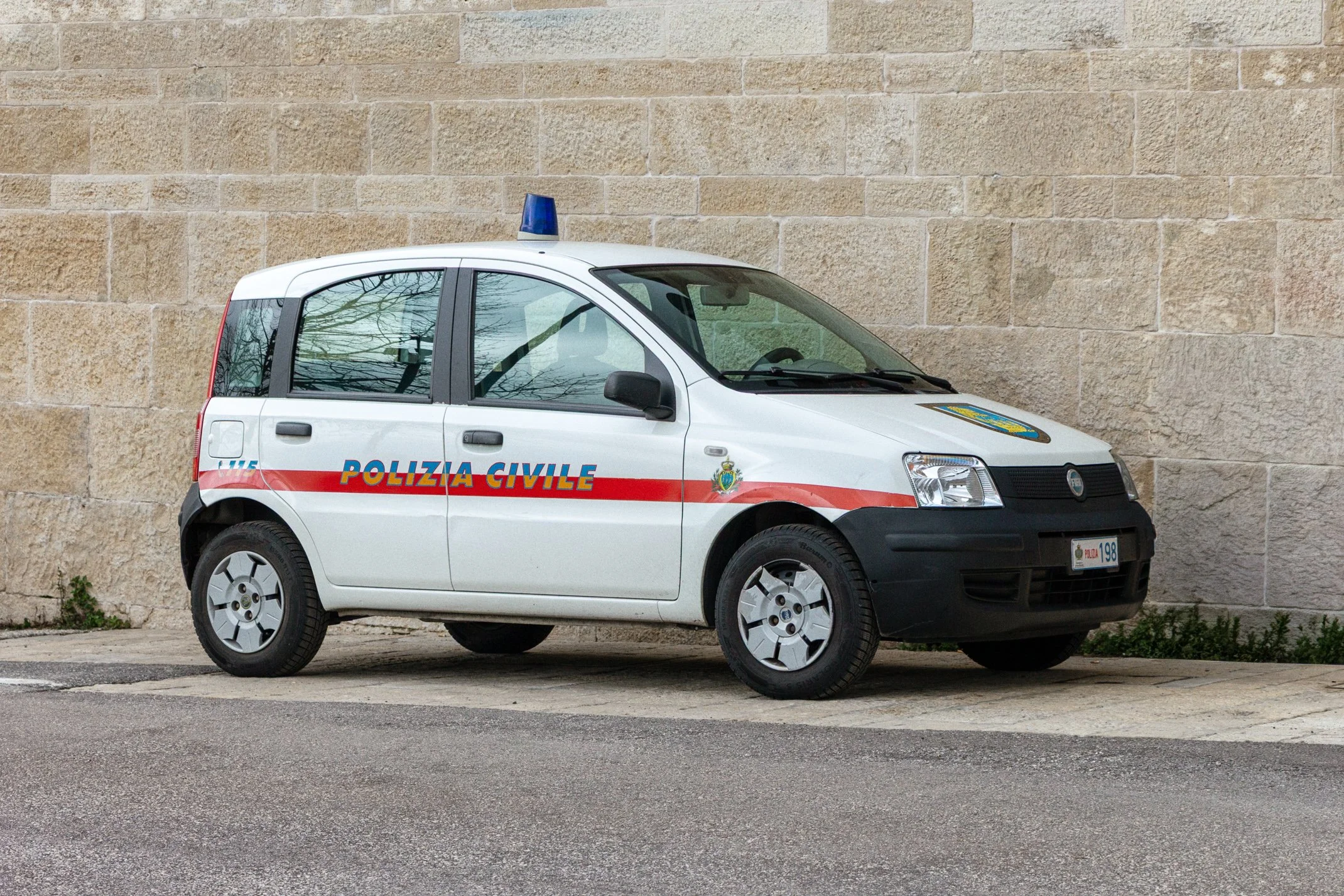
By late afternoon, it was time to make my way back down to the coach stop and begin the journey back to Rimini. My last observation, and a humorous one to me, was the police cars that San Marino have… as a nation that holds a fair amount of wealth, they opt to run the police force in dated Fiat Panda’s.
San Marino had always been somewhere I wanted to visit because of the geography, the politics and the novelty of stepping into one of Europe's smallest countries. What I had not expected was how much personality it would have. And between the centuries of history, the unusual traditions, the spectacular views and the occasional shop selling alarmingly large crossbows, it proved to be far more memorable than its size might suggest.
One day is not enough, but it is certainly enough to make you want to come back.
—
I visited San Marino in April 2026 during a wider journey across Italy. From medieval towers and historic ceremonies to panoramic views from Mount Titano, the full photographic journey can be explored in my San Marino gallery.
If you enjoyed this story, you might like some of the other adventures I’ve shared:
Written by Max Biddlecombe following a visit to San Marino in April 2026. Max is a UK-based travel photographer and writer who documents the world's overlooked places - from obscure territories and geopolitical curiosities to cities most guidebooks skip straight past.