
Travelling Japan for a Month: Practical Tips From Experience
A quick snapshot of what Japan taught me, before we slow things down:
Japan is not a country where you can rush. Even a month only scratches the surface, and walking, rest days and timing your visit matter more than you expect.
Flights and transport can be far cheaper with flexibility. Alternative airports, regional rail passes and slower train routes often offer better value than the obvious options.
Cash is still essential and IC cards are important. Many older places do not accept conventional cards, and having yen and a topped up Suica or ICOCA makes everything easier.
The best food is rarely the most famous. Some of the most memorable meals come from wandering, not viral recommendations, with convenience stores playing a big role in daily exploration.
Japan shines beyond the big cities. Quieter regions, late night culture and small discoveries often become the most rewarding parts of a trip.
I spent a month in Japan back in 2025 and it was one of those trips where you only truly understand it once you are already there. There were plenty of things I was glad I had prepared for before flying, and just as many things I learned along the way that I wish I had known sooner. Japan is not a difficult country to travel through, but it is very particular, and understanding those quirks makes the difference between feeling overwhelmed and feeling completely at ease.
Time, duration and choosing when to go
The biggest lesson is simple. You will never see everything in Japan on a short trip. You could visit multiple times or live there for years and still feel like there is more left unexplored. That said, for a first visit, two to four weeks is a very comfortable amount of time. It allows you to experience a decent portion of Tokyo, Osaka and Kyoto, while still making space for cities like Hiroshima, Nagoya, Fukuoka, or some day trips perfect for showing you a different side of Japan, plus the inevitable theme parks or big attractions that sneak their way into the plan.
Despite having some of the best public transport in the world, walking plays a huge role in daily travel. Stations are vast, neighbourhoods sprawl just enough, and many places sit a little distance away from train lines. I averaged around 25,000-30,000 steps a day while exploring, and that was without actively trying. Rest days are not optional in Japan, they are essential, and when you are booking dates, factor in days where you do very little at all because exhaustion creeps up quickly and it will limit what you can enjoy if you ignore it.

Timing your visit also matters more than you might expect. Chinese New Year often brings an enormous influx of visitors, as many people from China use it as a chance to holiday in Japan. The sakura season in April is another major draw, and while the cherry blossoms are undeniably beautiful, tourism spikes heavily. If seeing sakura is not high on your priority list, April is probably best avoided altogether.
Flights and thinking beyond Tokyo
Flying to Japan can look expensive at first glance, especially from Europe or the US. Direct flights to Tokyo often sit well into the thousands and can feel like the biggest hit to the budget. But flexibility changes everything and being open to connections or alternative arrival airports can bring prices down dramatically.
From London, the cheapest flights I found were actually to Niigata on the west side of Japan, via a layover in China. At first this feels like an odd choice, until you realise that by Shinkansen the journey to Tokyo is only a couple of hours, which is similar to travelling into central London from Heathrow or Gatwick. It also gives you the option to explore parts of Japan that are far less visited, which is something I personally value and will come back to later.
Getting around without losing your mind
Japan’s rail system has a reputation for being overwhelming, and on paper it certainly looks complicated. In reality, it works exceptionally well once you understand where the value lies and if you are travelling on a budget, the details really matter.
I would strongly advise against buying the national JR Pass. Since the price increase in 2023, it no longer offers good value for most travellers. Instead, each region and train company tends to offer its own passes, often exclusively for foreign passport holders. This is where the real savings can be found if you plan to move around frequently.
The best value I personally found was the Kansai-Hiroshima Area Pass. For 17,000 yen, it gives you five days of unlimited travel across the Kansai region and Hiroshima. This includes all JR West operated trains and buses, all Sanyo Shinkansen services, and even a return journey to Miyajima Island, which I cannot recommend enough. I made full use of this pass, travelling extensively around Osaka, visiting Himeji and Kobe, and fitting in a two day trip to Hiroshima with the Miyajima ferry included. It paid for itself very quickly.
One thing to be aware of is that Japan has many different rail companies, not just JR. This can be confusing and occasionally stressful if you accidentally end up at a barrier with the wrong ticket. However, these smaller companies can also be incredibly useful. For example, travelling between Osaka and Nagoya on the Shinkansen is fast but often expensive, especially if you are buying tickets close to departure. The Kintetsu Limited Express, run by the private company Kintetsu, is slower and makes more stops, but is significantly cheaper. If you are not in a rush and enjoy watching the countryside pass by, it is a worthwhile alternative.
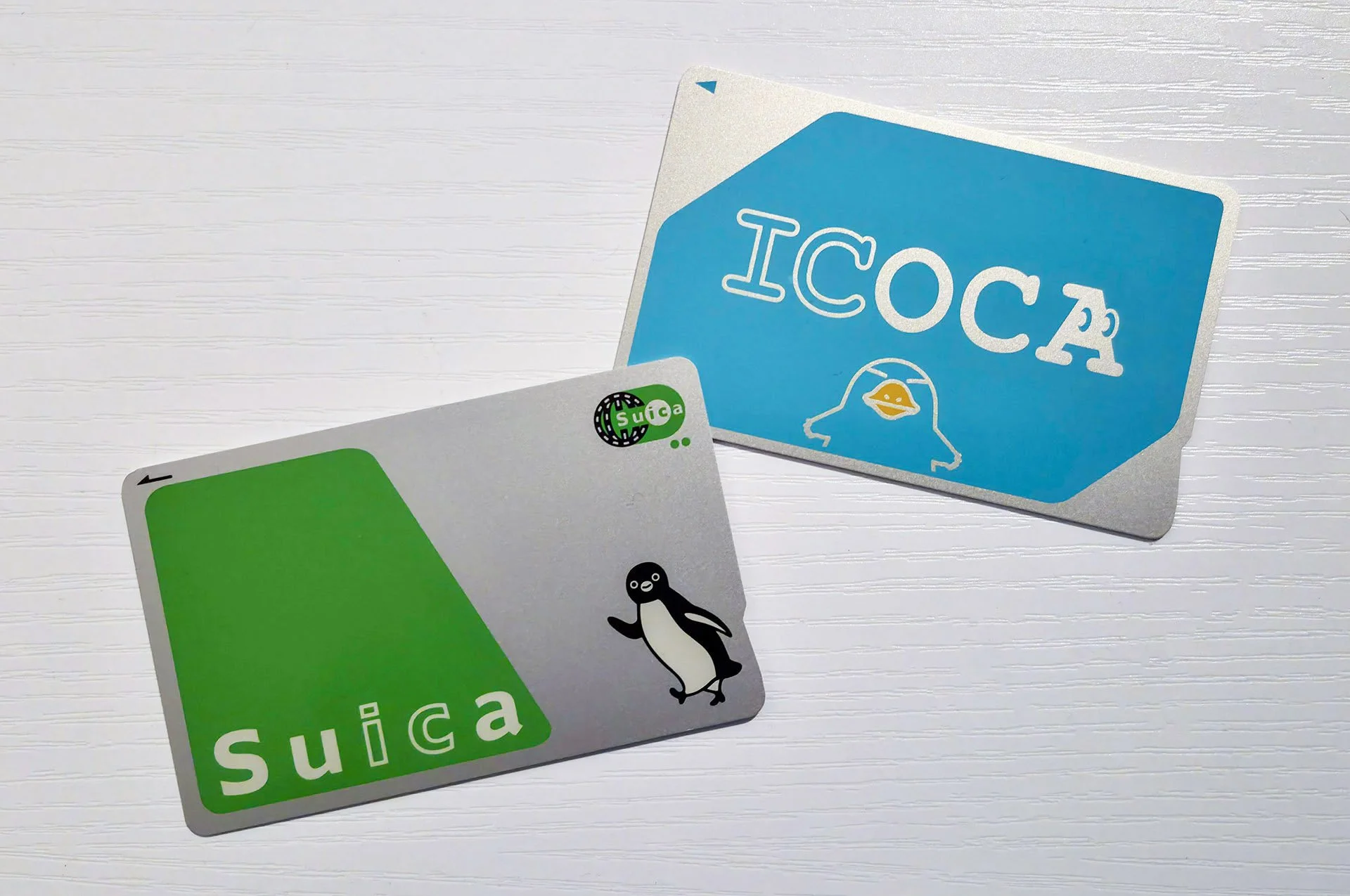
An IC card is essential for day-to-day travel. In Tokyo this will be a Suica card, while in Kyoto and Osaka it is the ICOCA card, and there are alternatives across various other regions of the country. The important thing to know is that these cards are interchangeable and work throughout the vast majority of Japan, so you do not need a new one every time you enter a different region. They function much like an Oyster card (if you’re common with these in London) or contactless card. There is a ‘Welcome Suica’ available at some airports which allows foreign visitors to top up by card, but I personally found it easier to use the regular Suica or ICOCA and top up with cash. Cash is still widely used in Japan, and you can buy these cards at any station for five hundred yen.
Accommodation and moving luggage intelligently
Travelling on a budget often means opting for cheaper hotels or hostels. That is fine if your goal is a relaxed trip, but if you plan to explore heavily each day, a good bed becomes far more important than you might expect. Sleep quality directly affected how much I enjoyed Japan.
One thing I wish I had done sooner was sticking to a single hotel chain. APA, Dormy Inn, Toyoko Inn and other hotel chains, for example, are well known mid-range options with locations across the country and loyalty schemes that make repeat bookings cheaper as well as other perks like late check out or free nights, which can reduce costs on longer trips.
One of the biggest advantages some hotels offer is luggage forwarding, known as Takkyubin. This service completely changes how you travel in Japan. For a small fee, you can forward your suitcase from your hotel lobby to your next accommodation, often with same day delivery. I was lucky enough to travel with just one suitcase, but my travel companions relied on this heavily. Always pack a light change of clothes in your day bag, just in case your luggage arrives the following day.
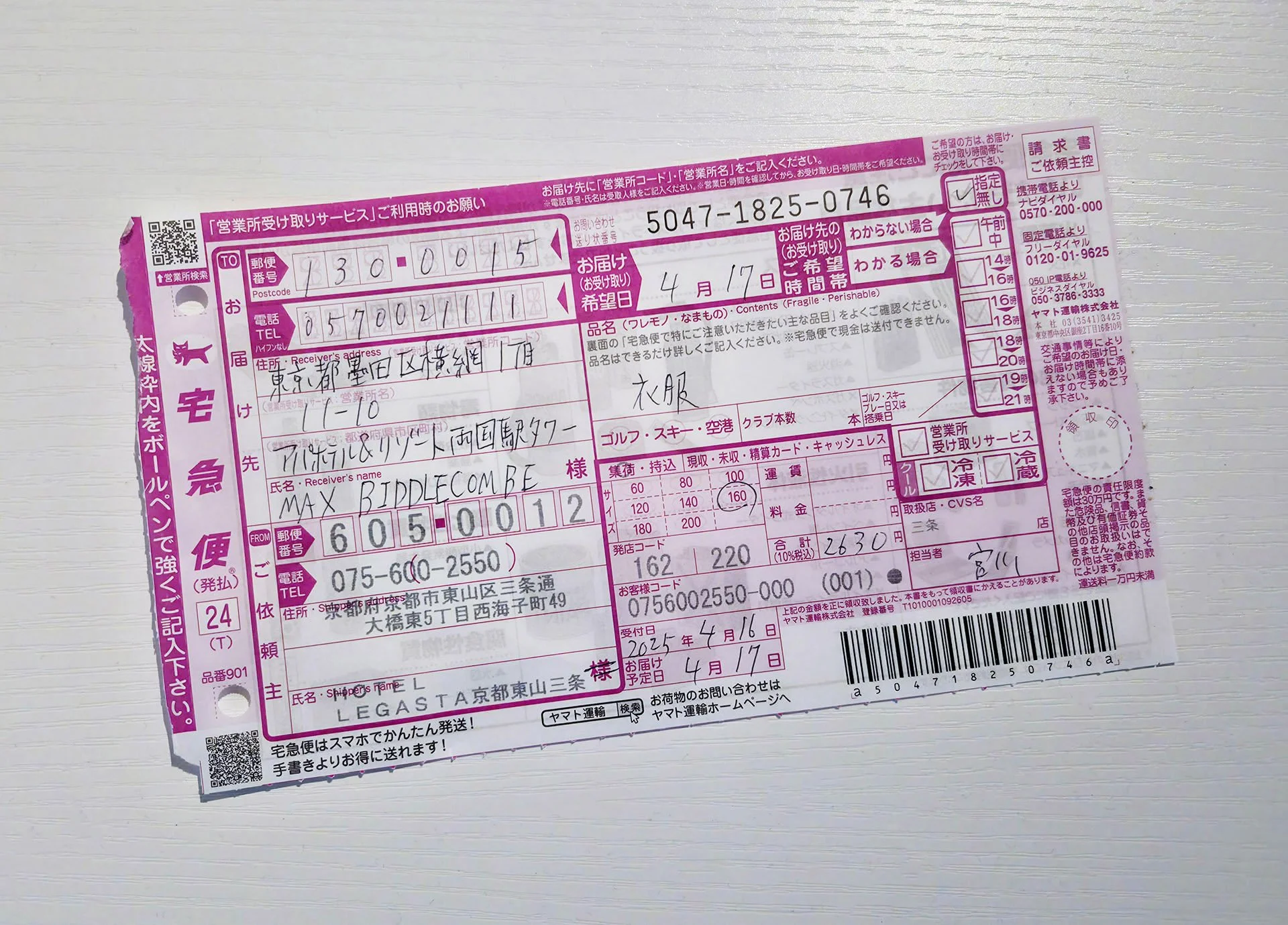
If your hotel does not offer this service, most Konbini’s such as 7-Eleven, Family Mart and Lawson can arrange it through postal companies like Yamato or Sagawa. To make things easier for staff, I highly recommend printing your hotel confirmations in both English and Japanese, including the Japanese address. English translations are not always perfectly clear.
Touristy places and the importance of timing
One thing that made a huge difference to how much I enjoyed Japan was understanding how the day actually unfolds, especially in the most visited cities. Japan runs early, but not aggressively early, and knowing that rhythm lets you experience popular places without feeling crushed by crowds.
Tokyo is a good example of this balance. Trains start running around 5.30am, but the city does not fully wake up straight away. Most shops open between 9 and 10am, and many tourists do not properly emerge until after midday. If you want to visit something popular in Tokyo, the morning is your best friend. You can move easily, get your photos, and still feel like the city belongs to the people who live there. By lunchtime, that window starts to close.
Kyoto is a completely different situation. Overtourism has hit the city hard, and if you want to enjoy its most famous spots without feeling rushed or overwhelmed, you need to start earlier than feels reasonable. Fushimi Inari was the clearest example of this for me. We arrived at around 5am, climbed to the top in near silence, and started coming back down just as the sun was rising. It was one of the best experiences of the entire trip.
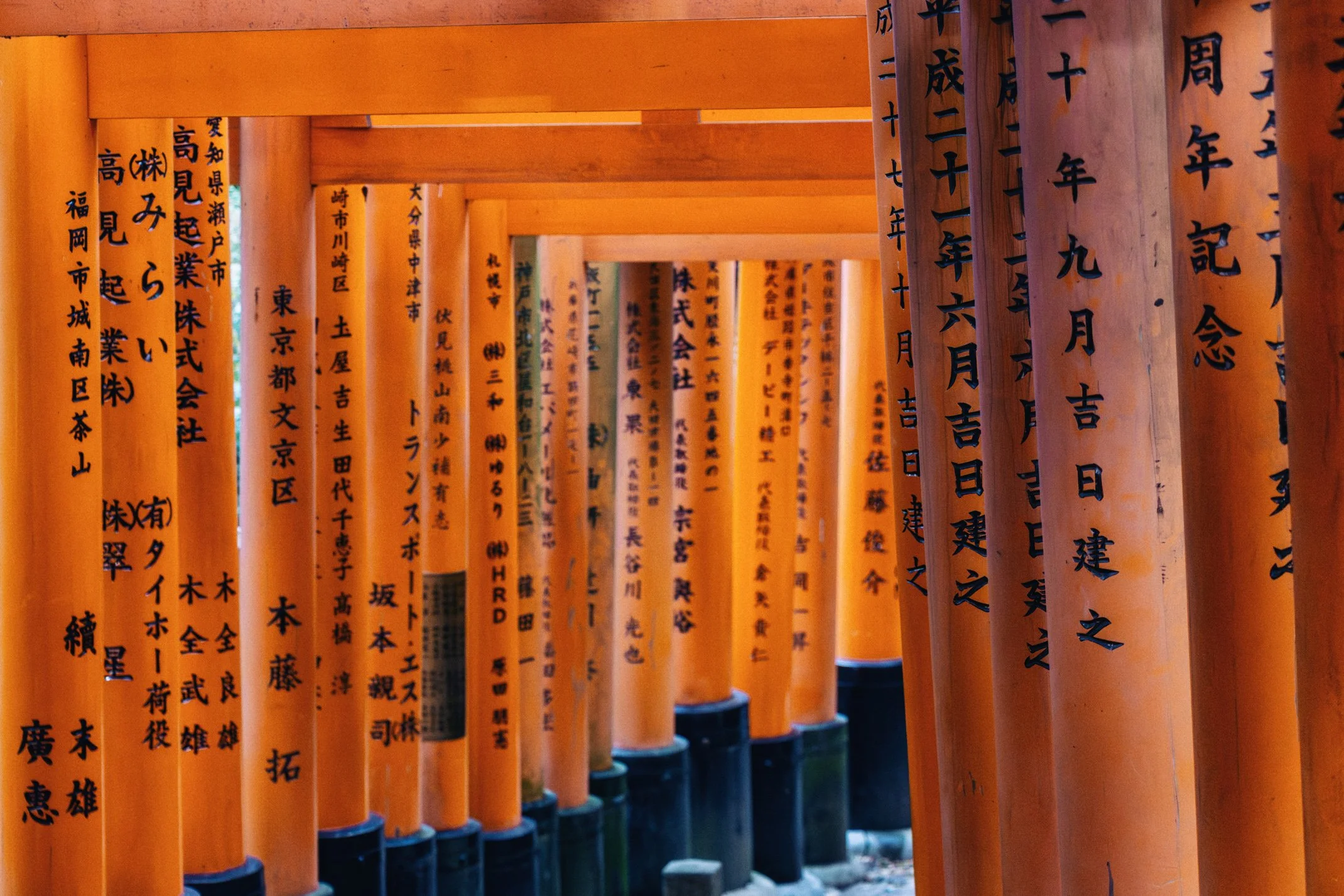
At that hour, the shrine felt intimate. There were only a handful of staff quietly doing morning maintenance along the path, and we had the time and space to really take it in and photograph it properly. By the time we reached the bottom around 9am, hundreds of people were already beginning the climb. The atmosphere had completely changed.
If there is one takeaway here, it is this. If something in Japan is known to be touristy and you can’t pre-book ahead of time (we often had pre-booked attractions pencilled in for afternoons like the Asahi Beer Museum in Osaka and the Nintendo Museum in Kyoto), do it in the morning. In Tokyo that means early but comfortable. In Kyoto that means setting an alarm you would normally argue with. The difference it makes is night and day, and it often turns an overhyped attraction into a genuinely memorable experience.
Food, wandering and ignoring the hype
Food in Japan could easily fill several blogs on its own, but there are three key lessons worth knowing before you plan too much.
The first is not to base your food itinerary entirely on what you see online. Platforms like TikTok and Instagram tend to push places that are overhyped, overcrowded and often overpriced. That does not mean every recommendation is bad, but if you are seeing it, so are thousands of others.
Some of the best meals I had came from wandering without a plan. In Osaka, a few streets away from Dotonbori, we found a tiny ramen shop with newspapers lining the walls, a small TV humming quietly in the background, and ten stools around the counter. The menu offered five types of ramen and three drink options. You pointed to what you wanted, the chef prepared it in minutes, and suddenly you were eating one of the best bowls of ramen of your trip alongside a crisp Asahi.
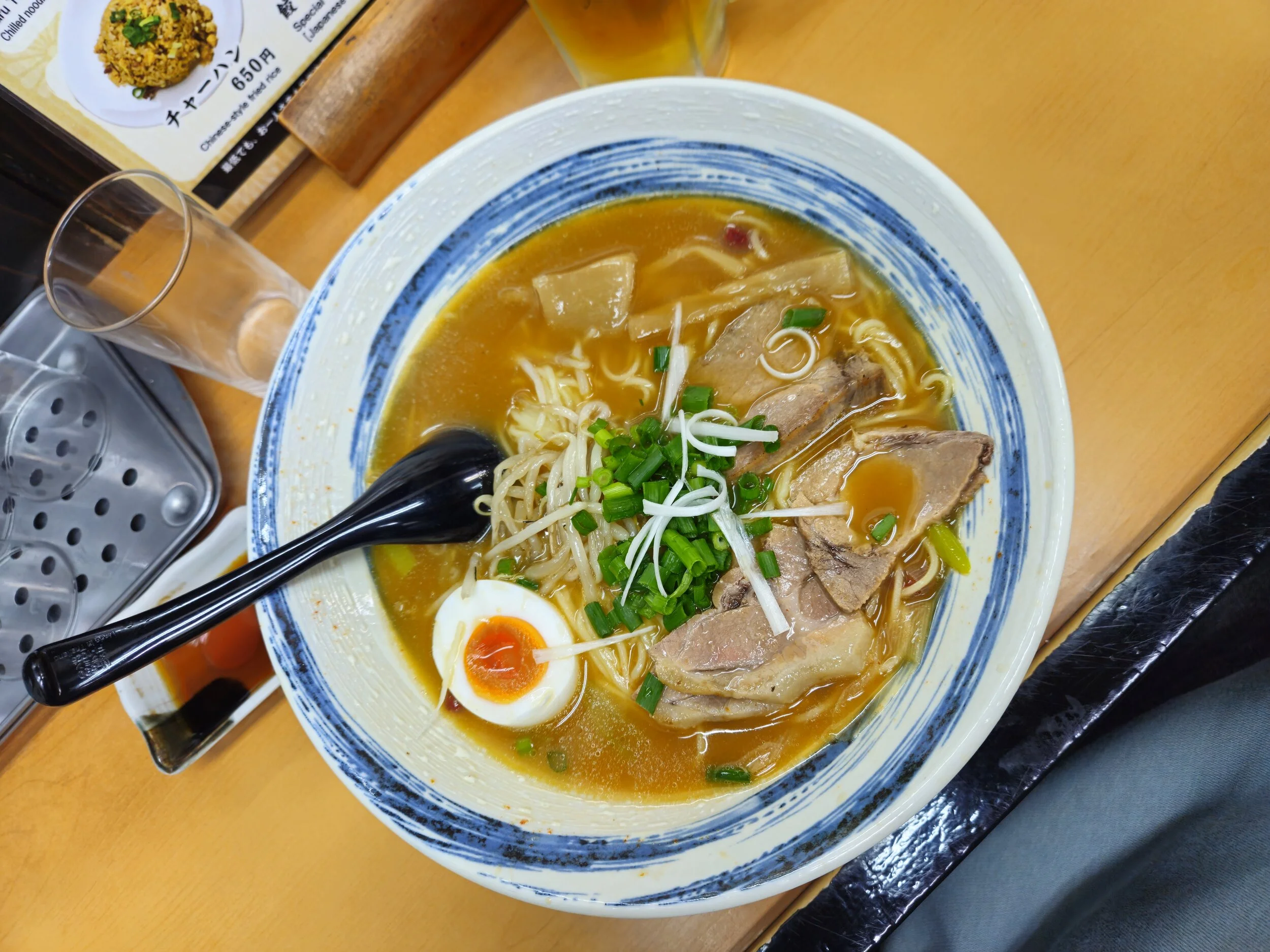
The chef barely spoke, but you could tell this was his life’s work. You ate, paid, and left within half an hour. No fuss, no performance, just good food done properly. These are the places you find when you step away from tourist hotspots.
Convenience stores also deserve special mention. Konbini’s are incredibly useful and offer far more than cold snacks. Many serve hot food that can be microwaved in the store by the staff upon request, and larger locations have seating. I often used them as backup options late at night when I did not feel like sitting in a restaurant. Their supplement drinks are also worth trying. There are drinks designed to prevent hangovers, support liver function, aid digestion, and help fight off colds. I tried most of them and genuinely do not remember having a hangover in Japan. When I felt a cold coming on in Nagoya, the herbal drinks sorted it quickly with no downtime at all.
Booking ahead and embracing broken websites
Booking attractions in advance is crucial in Japan. You are competing not just with other tourists, but with locals too. Universal Studios in Osaka, teamLab exhibitions in Tokyo, and even the Asahi Beer Museum (a personal highlight of mine) need to be booked well ahead of time.
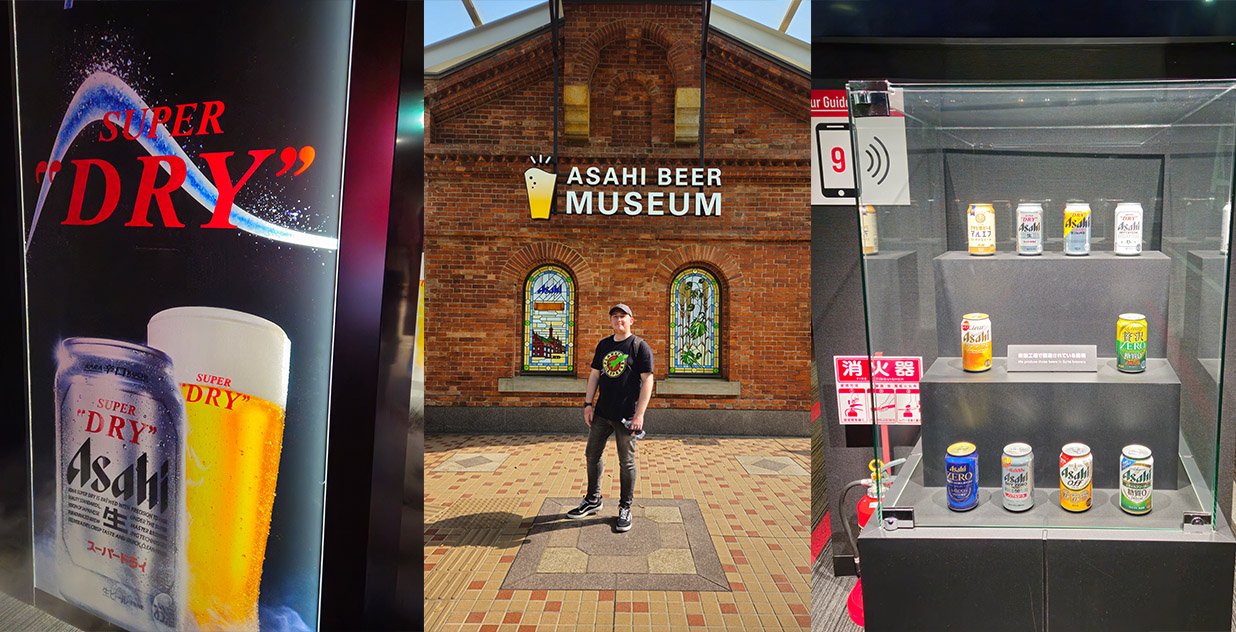
You will also need patience with Japanese web design when booking online too. Some sites break entirely when translated in browser. If that happens, switching back to Japanese and using Google Translate on your phone camera works surprisingly well, especially during checkout processes where browser translation often fails.
Money, cash and paying creatively
Japan runs on yen and still prefers it. Card payments are becoming more common, particularly in large chains like Uniqlo or the Nintendo Store, but cash remains essential as many smaller restaurants and vending machine based ramen shops only accept cash. The further away from the major cities you go too, the less frequent card machines appear.
Some shops and restaurants also allow payment via IC cards like Suica or ICOCA, which is another reason to keep a few thousand yen loaded onto them when you are out exploring.
Looking beyond the obvious cities
While Tokyo, Kyoto and Osaka are incredible, they are also increasingly crowded. Exploring beyond the obvious destinations often leads to more fulfilling experiences. Niigata is one place I regret not having time to visit, and there are many others across Japan that reward curiosity like Nagoya which I fell in love with.

I have already written about some of the lesser travelled places I visited, so I will not dwell on this too much here, but if crowds are not your thing, Japan offers far more once you step away from the usual routes.
Late nights and knowing when trains stop
Japan stays open late, especially in larger cities, and that energy adds to its charm. Karaoke until the early hours in Kyoto, bowling and darts in Nagoya with cheap beers, or batting cages at Round One in Hiroshima are all part of the experience.
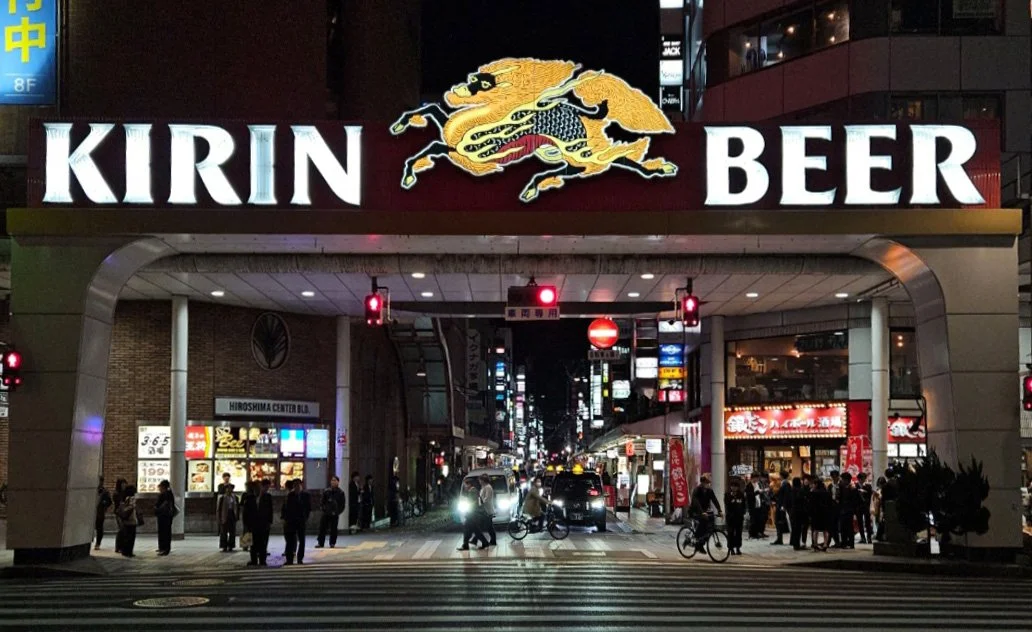
Just remember that most public transport shuts down around midnight. If you are not within walking distance of your hotel, be prepared to pay for a taxi.
Final thoughts
These are just some of the lessons Japan taught me. It is a country that works differently to the UK, but that difference is part of what makes it so special. Embrace using cash again, keep your IC card topped up, wear comfortable shoes and do not overplan every meal.
Some nights you will eat unforgettable food in tiny rooms run by quiet chefs. Other nights you will eat something quick from a 7-Eleven and feel perfectly content. Both are part of the experience.
If you are planning a trip and want to ask anything about Japan, feel free to message me on Instagram at @maxbiddlecombe. Japan has a habit of pulling you back in, even once you have left and I’m already planning a return journey.
—
I spent April 2025 travelling through Japan, from the well-trodden landmarks to the quieter streets and hidden corners that left the biggest impressions. You can follow the full journey in my Japan gallery.
If you enjoyed this blog, you might like some of the other adventures I’ve shared:
Written by Max Biddlecombe following a month-long trip across Japan in April 2025. Max is a UK-based travel photographer and writer who documents the world's overlooked places - from obscure territories and geopolitical curiosities to cities most guidebooks skip straight past.